Museo de Guanacaste

Introduction
If you find yourself in Liberia, in the Guanacaste province of Costa Rica, one of the must-visit places is the Museo de Guanacaste. Located in the heart of the city, this museum occupies a space rich in history: a building formerly used as a city jail and military barracks. As a visitor, you will have the opportunity to explore not only the cultural and historical identity of Guanacaste, but also to see how Costa Rica has transformed sites of authority into spaces of learning and art. The Museo de Guanacaste captures both the past and evolving present of the region in a way that is accessible, engaging, and deeply rooted in local heritage.


About the Museum
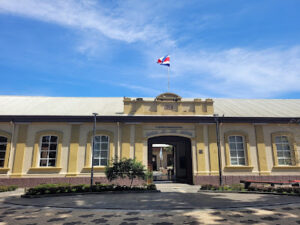
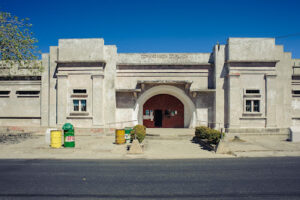
The Museo de Guanacaste is housed in a historic building that once served as both the city jail and a military barracks. Its original military function included being the Comandancia de Plaza of Liberia, with purposes such as hosting military personnel, serving administrative functions, and holding prisoners. The architectural design reflects influences of its era, featuring elements typical of military architecture in the early twentieth century.
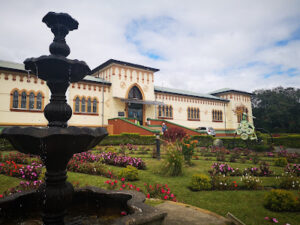
Today the museum is being developed (or has been under restoration) so that it houses exhibits devoted to the history and culture of Guanacaste. The intention is for visitors to be able to see displays that show how life has been in Guanacaste across time: the people, traditions, arts, and possibly natural heritage. Because the building is itself such an important historic artifact, visitors also experience the architecture, layout, and structure—corridors, courtyards, rooms—that speak of its military past.
The museum plays a role not only in preserving historical memory, but also in promoting culture and community participation in Guanacaste. Its transformation from a barracks and jail to a cultural center reflects important ideals of peace and civic identity in Costa Rica.
Interesting Facts
- The building was originally constructed as the military barracks (Comandancia de Plaza) for Liberia.
- It also served as a prison facility at one time.
- The design was the work of architect José María Barrantes, with construction directed by engineer Max Effinger.
- Architecturally, the style mixes ruggedness and utility (typical of military buildings) with Art Deco touches and geometric forms.
- The museum is intended to include multiple components such as exhibition halls, community-spaces, and cultural events so that it becomes more than a static display.
- Its conversion is symbolic: following the abolishment of the Costa Rican army, transforming military and penal structures into educational and cultural institutions has been part of the country’s approach to peace and civic identity.
Photo Gallery


Physical Location
Contact Details
Phone: +50 62 665 7114
Website: lonelyplanet.com/costa-rica/northwestern-costa-rica/liberia/attractions/museo-de-guanacaste/a/poi-sig/1201018/358301
Facebook: facebook.com/MuseoDeGuanacaste/
Conclusion
A visit to the Museo de Guanacaste offers more than just viewing artefacts; it is an opportunity to walk through history—both in its visible architecture and in the stories it aims to tell. For anyone interested in the cultural roots of Costa Rica, particularly of the Guanacaste province, this museum provides a compelling lens: from its origins as a barracks and prison to its ongoing role as a keeper of memory and art.
When planning your trip, check current opening hours and whether the museum has any temporary exhibitions or events, as those can add special depth to the experience. Whether you are passionate about history, architecture, or local arts, Museo de Guanacaste is certain to offer meaningful insights and a memorable connection to this vibrant region.