Antalya Museum

Introduction
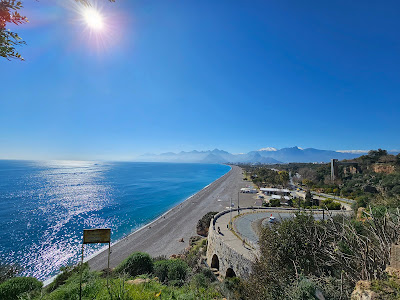
Antalya Museum, located in the Konyaaltı district of Antalya, Turkey, stands as one of the country’s premier archaeological institutions. Nestled just a few kilometers from the historic Kaleiçi district and easily accessible by tram, bus, or taxi, this museum offers an immersive journey through millennia of Mediterranean history. Visitors can explore ancient civilizations, marvel at mythological sculptures, and experience hands‑on exhibits—all within a beautifully curated setting by the Mediterranean coast.
About the Museum
Founded in 1922 by Süleyman Fikri Bey Erten to protect Antalya’s cultural heritage during Italian occupation, the museum was initially housed in the Alaeddin Mosque before moving to the Yivli Minaret Mosque in 1937. In 1972, it relocated to the current modern building, and in 1985 it was reorganized under contemporary museological standards. It received the European Council Special Prize in 1988 .
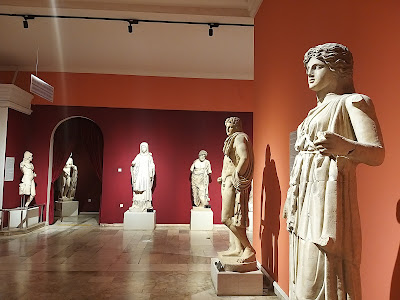
Today, Antalya Museum spans roughly 7,000 m² and comprises 13 indoor halls, a children’s section, and an expansive open-air gallery. Its extensive collection features approximately 5,000 artifacts on display, with an additional 25,000 to 30,000 items kept in storage. The exhibits offer a chronological and thematic exploration, from prehistoric tools and Bronze Age pottery to stunning Roman statues, Byzantine mosaics, Ottoman carpets, and more.
The museum is visitor‑friendly, equipped with wheelchair access, multilingual information panels, a café, a gift shop, and audio guides available in several languages to enrich the visitor experience.
Interesting Facts
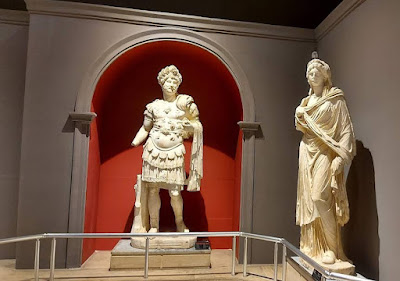
- Roman‑era masterpieces: Marvel at the “Weary Hercules” statue—an original Roman piece whose upper half was repatriated from Boston in 2011—alongside numerous mythological sculptures of Zeus, Aphrodite, Hermes, and more.
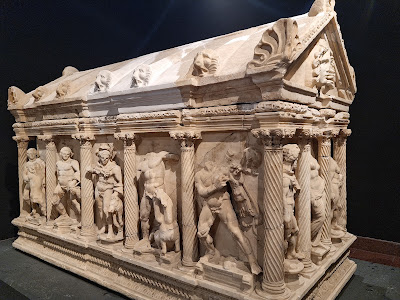
- Heracles Sarcophagus: One of the most intricate burial monuments, depicting the twelve labors of Hercules, originally from Perge.
- Child‑focused museum: The first of its kind in Turkey, this section features antiquities, toys, and interactive activities designed to inspire young visitors.
- Ethnographic insights: Ottoman and Seljuk artefacts—including traditional carpets, tiles, household items, weapons, inscriptions, and manuscripts—are displayed in a hall styled like an Anatolian home.
- Historic rescue and conservation: The museum served as a key center for protecting artifacts during and after World War I and continues significant restoration and audio‑visual conservation work today .
- Award‑winning excellence: Recognized with the prestigious “European Council Special Prize” in 1988 for its exceptional services and contributions.
Photo Gallery

Physical Location
Contact Details
Phone: +90242 238 5688
Website: muze.gov.tr/muze-detay?SectionId=ANT01&DistId=ANT
Facebook: facebook.com/pages/Antalya%20Museum/143918385624101/#
Conclusion
Antalya Museum offers an enriching blend of archaeological wonder, cultural narrative, and family‑friendly engagement. Whether you are captivated by prehistoric relics, enthralled by Roman artistry, or curious about Ottoman traditions, the museum’s thoughtfully organized halls and outdoor garden make for a truly memorable expedition through time. Located just moments from Antalya’s vibrant city center and beaches, this museum is a must‑visit destination for anyone seeking to explore the historical tapestry of the Mediterranean and Anatolia.