Botanical Garden Copenhagen
Introduction
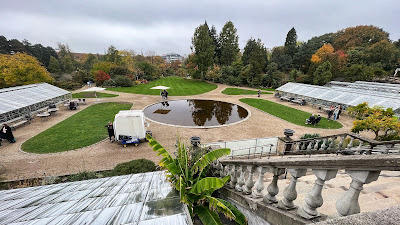
Nestled in the heart of Copenhagen, the Botanical Garden is a serene green oasis that offers visitors a unique opportunity to explore the diverse world of plants. Located at Gothersgade 128, the garden is part of the Natural History Museum of Denmark and serves as both a public park and a living museum dedicated to botanical research and conservation. With its rich history and extensive collections, the Botanical Garden is a must-visit destination for nature enthusiasts and curious minds alike.
About the Museum
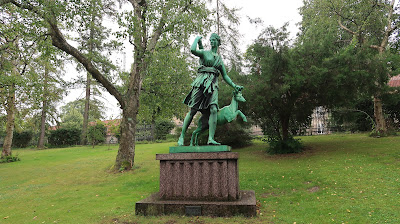
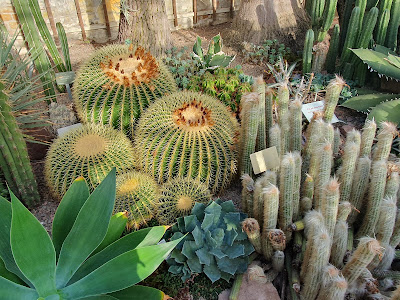
Established in 1874, the Botanical Garden was designed by landscape gardener H.A. Flindt and has since become a cornerstone of botanical research and education in Denmark. The garden spans 10 hectares and houses Denmark’s largest collection of living plants, featuring approximately 10,000 species from around the globe. These include tropical plants, orchids, cacti, carnivorous plants, and native Danish flora. The garden’s diverse plant collections are organized into various sections, such as the Palm House, the Rock Garden, and the Perennial Quarter, each offering a distinct glimpse into different ecosystems and plant varieties.
As a living museum, the Botanical Garden plays a crucial role in scientific research, education, and conservation. It is affiliated with the University of Copenhagen and supports research in plant biology, ecology, and conservation. The garden also serves as a venue for public outreach, offering exhibitions, guided tours, and events throughout the year to engage visitors with the wonders of the plant kingdom.
Interesting Facts
- The garden is home to approximately 10,000 plant species, representing around 300 families and 2,700 genera.
- The Palm House, dating back to 1874, is a Victorian-era glasshouse that houses a spectacular collection of tropical plants.
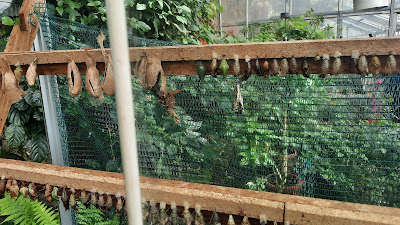
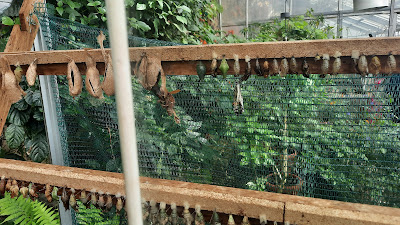
- The Butterfly House, open during the summer season, allows visitors to observe live butterflies in a tropical environment.
- The garden’s Rock Garden features plants from mountainous regions in Central and Southern Europe.
- The Perennial Quarter showcases a wide variety of perennial plants, offering vibrant displays throughout the growing season.
- The garden’s collections are used for scientific research, education, and conservation efforts, contributing to global knowledge about plant diversity.
- The garden is located near Nørreport Station, making it easily accessible for both locals and tourists.
Photo Gallery


Physical Location
Contact Details
Phone: +453 532 2222
Website: https://snm.dk/da
Facebook: facebook.com/StatensNaturhistoriskeMuseum
Conclusion
The Botanical Garden in Copenhagen offers a tranquil escape into the world of plants, combining natural beauty with scientific exploration. Whether you’re a plant enthusiast, a casual visitor, or a family looking for an educational outing, the garden provides a welcoming environment to learn about and appreciate the diversity of plant life. With its rich history, extensive collections, and commitment to research and conservation, the Botanical Garden is a testament to the importance of preserving and understanding the natural world. A visit to this living museum is not only an opportunity to enjoy the beauty of nature but also to connect with the ongoing efforts to protect and celebrate plant diversity for future generations.