Ephesus Museum

Introduction
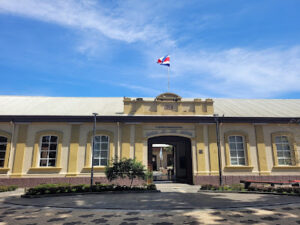
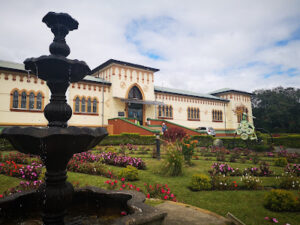
The Ephesus Archaeological Museum, located in Selçuk in the İzmir Province of Turkey, is a treasure trove of ancient artefacts drawn from the legendary city of Ephesus and its surrounding sites. Housed in a thoughtfully renovated building just three kilometres from the famed ruins, the museum offers visitors a compelling and immersive journey through millennia of history. With its rich collection of sculptures, coins, everyday items, and sacred objects, the museum provides an essential complement to a visit to the archaeological site itself.


About the Museum
The origins of the Ephesus Museum date back to 1929, when a depot was created in Selçuk to preserve finds following new Turkish laws banning the export of antiquities. It officially opened in 1964, expanded in 1976, and received a full renovation between 2012 and 2014 to modernise its facilities and display spaces. Today, the museum holds over fifty thousand artefacts spanning from the fourth millennium BC through the Classical, Hellenistic, Roman, Byzantine, Seljuk, and Ottoman periods.
The collection is organised thematically rather than by strict chronology, offering insight into different aspects of ancient Ephesian life. Key exhibition areas include:
- Hall of Fountain Findings, displaying statues from the Pollio and Fountain of Trajan and busts of deities and emperors.
- Terrace Houses Hall, showcasing frescoes, mosaics, and luxury household items from the opulent residences of wealthy citizens.
- Coins and Treasure Hall, tracing Ephesian coinage from electrum deer-stag designs to Roman imperial issues.
- Ephesus Through the Ages, presenting excavation finds including the earliest vessels from Mycenaean tombs and marble Sculpture of Eros.
- Artemis Hall, dedicated to the city’s patron goddess, featuring majestic marble Roman copies of the cult statue from the Temple of Artemis.
- Imperial Cult Hall, Mother Goddess Cult Hall, small artifact halls, and peaceful inner gardens displaying grave steles, column capitals, and architectural fragments from the Temple of Artemis and the Belevi Mausoleum.
A highlight for visitors is a ten-minute 3D simulation video of ancient Ephesus, available in Turkish, English, and German. Located near the museum entrance, it vividly reconstructs the city’s appearance and atmosphere. The museum also offers amenities such as a snack café, restrooms, and a gift shop selling quality reproductions and literature.
Interesting Facts
- The museum’s earliest artefact is a stamp from Çukuriçi Höyük, dating back to approximately 6200 BC.
- Two striking statues of Artemis, known as the “Great Artemis” (3.2 metres tall) and the “Beautiful Artemis,” reflect the city’s syncretic mother-goddess traditions. The vestments depict fertility symbols that scholars debate as breasts, eggs, or bull testicles.
- The Terrace Houses Hall includes an exquisite ivory frieze depicting the Roman army in battle, recovered from a burnt layer in one of the homes.
- In the Coins and Treasure Hall, visitors can follow the progression of Ephesian currency, including electrum coins showing a grazing stag and inscribed “emi sema,” along with bee motifs tied to Artemis’s priestesses.
- The Ephesian Customs Law inscription, from 62 AD, outlines customs duties and administrative regulations of the Roman province of Asia and provides rare insight into legal life in ancient Ephesus.
- Sculptures once adorning the Theatre of Ephesus—depicting emperors, philosophers, and mythological figures—are now restored in the museum’s entrance halls.
- A finely crafted bronze “Eros on a dolphin” from the second century BC and a philosopher’s bust (possibly Socrates) from the third century AD are among the highlight pieces.
Photo Gallery


Physical Location
Contact Details
Phone: +90232 892 6010
Website: muze.gov.tr/muze-detay?SectionId=EFM01&DistId=EFM
Facebook: facebook.com/VisitingEphesus/
Conclusion
The Ephesus Archaeological Museum offers a richly curated voyage into the soul of one of antiquity’s most vibrant cities. It reveals not only the grandiose statues and sacred relics but also the intimate details of daily life and legal structures through coins, household objects, and inscriptions. The thematic display brings ancient Ephesus to life with clarity and storytelling power. A visit here significantly enriches the journey to the nearby ruins by providing context, detail, and emotional resonance. For all visitors—whether history enthusiasts or casual Globetrotters—the Ephesus Museum is an uplifting, illuminating, and deeply satisfying experience.