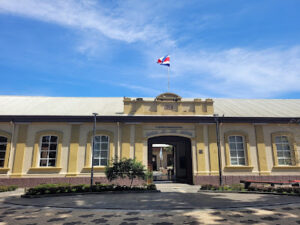
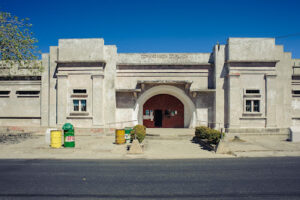
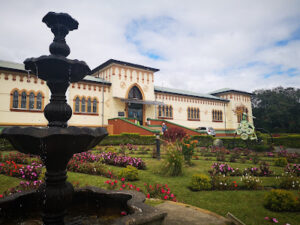
Gobabeb Training & Research Center

Introduction
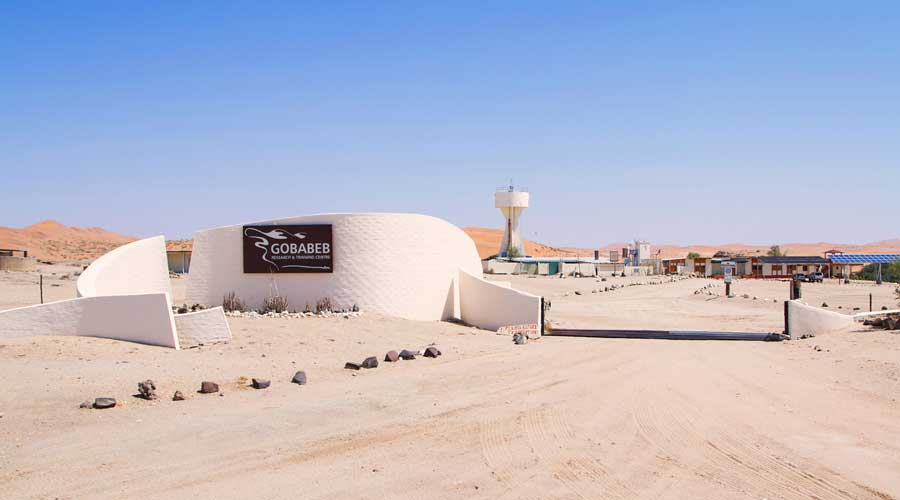
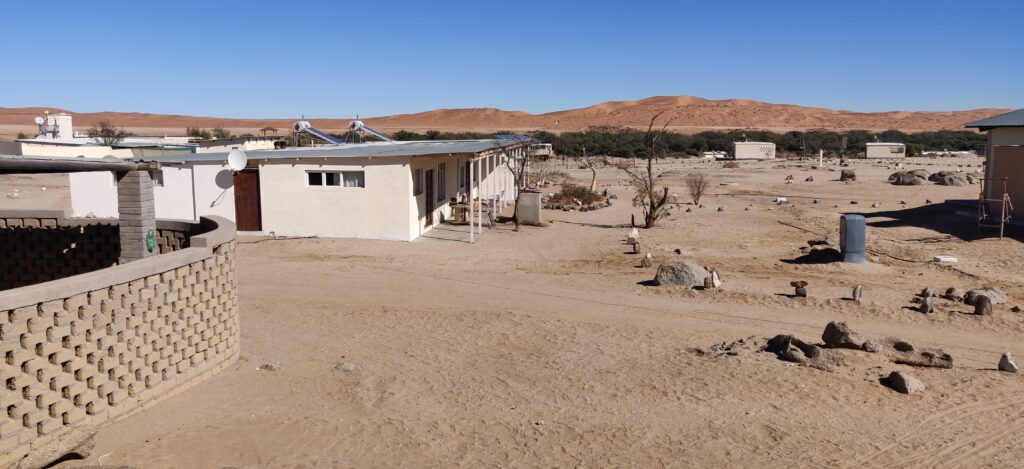
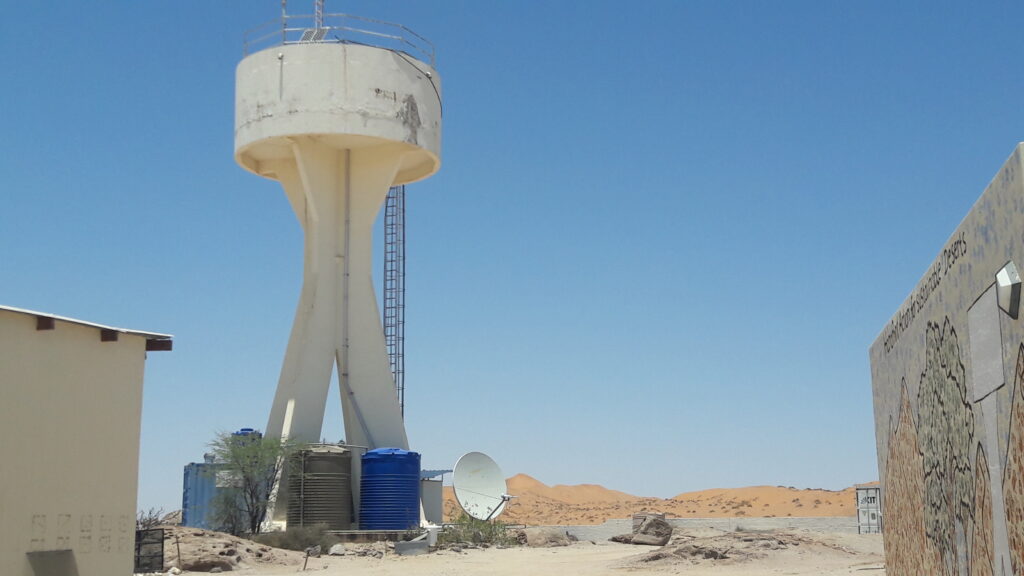
Situated within the vast expanses of the Namib-Naukluft Park in Namibia, the Gobabeb Training & Research Center stands as a beacon of knowledge and discovery in one of the world’s oldest deserts. This unique institution is not just a hub for scientific research but also a place of learning and wonder for visitors from around the globe.
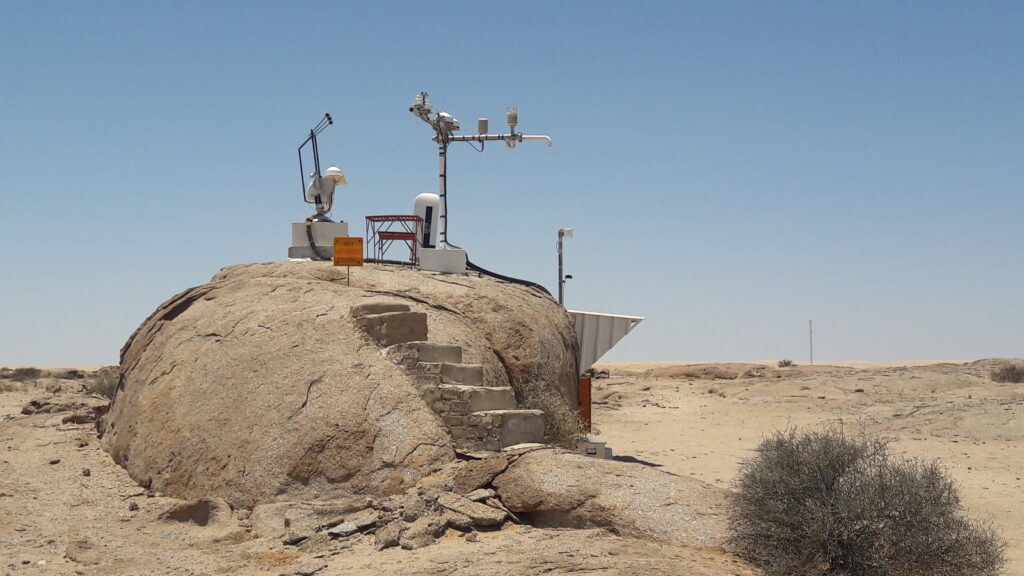
About the Museum
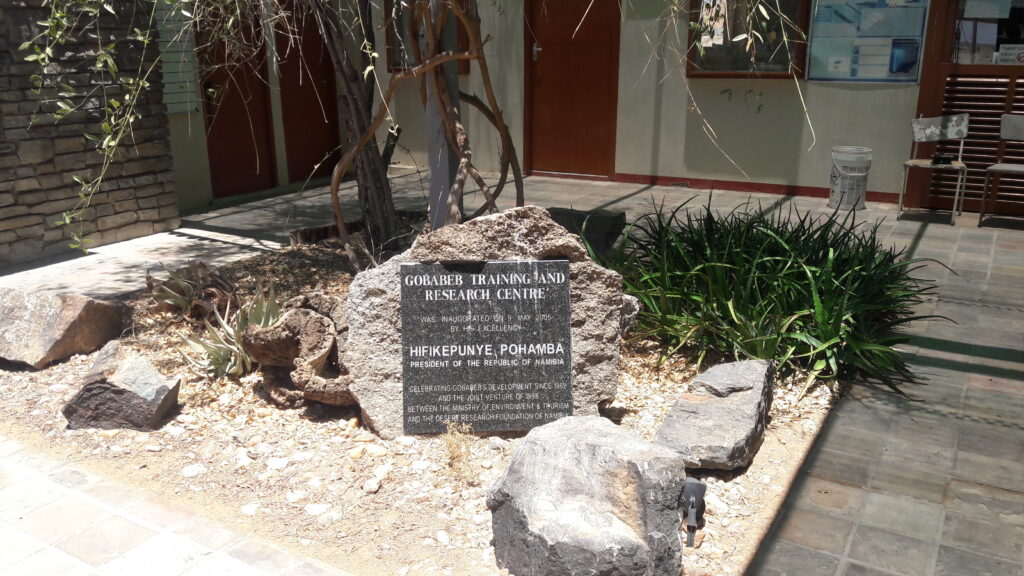
The Gobabeb Training & Research Center has a rich history that dates back to its founding in 1962. It serves as a catalyst for gathering, understanding, and sharing knowledge about arid environments, with a particular focus on the hyperarid Namib Desert. The center is dedicated to the development of emerging environmental specialists and decision-makers, providing a platform for education that is both immersive and extensive.
RELATED: Browse more museums in Namibia
Interesting Facts
- Gobabeb is located in a UNESCO World Heritage Site, offering unparalleled access to the Namib Desert’s unique ecosystems.
- The center is situated at the convergence of three distinct ecosystems: the Sand Sea, the Gravel Plains, and the riparian woodlands of the Kuiseb River.
- It is home to a diverse range of arid-adapted organisms, including several endemic species.
- Gobabeb operates at the ecotone between fog and rain precipitation, enhancing its capacity for unique desert research.
- The center is part of the indigenous cultural landscape of the ≠Aonin (Topnaar) Nama pastoralists, who have inhabited the area for centuries.
Photo Gallery
Physical Location
Contact Details
Phone: +264 64694198
Website: gobabeb.org
Facebook: facebook.com/Gobabeb
Conclusion
A visit to the Gobabeb Training & Research Center is more than just a trip; it’s an educational journey into the heart of the Namib Desert. Whether you’re a budding environmentalist, a seasoned researcher, or simply a curious traveler, Gobabeb offers an experience that is as enriching as it is enlightening. With its commitment to environmental education and research, the center continues to inspire and cultivate a deeper understanding of our planet’s arid landscapes.