MAAM – Museo de Arqueologia de Alta Montana de Salta
Introduction
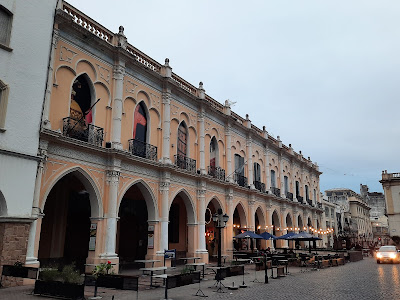
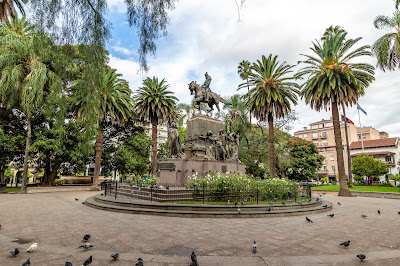
The Museu de Arqueología de Alta Montaña de Salta, located in the historic center of Salta, Argentina, invites visitors into a world where archaeology, history, and human stories converge. Situated on Calle Mitre facing Plaza 9 de Julio, the Museo offers a deeply moving encounter with the archaeological heritage of the Andes, particularly centered on the remarkable discovery known as the Children of Llullaillaco. Housed in a restored neogothic building of the mid‑nineteenth century, the Museo gracefully blends historical architecture with cutting‑edge preservation technology to create a space that is both reverent and informative.
About the Museum
The MAAM was inaugurated on November 19, 2004 and was established with the mission to conserve, research, and share the extraordinary archaeological legacy of the Inca world preserved in the high Andes. Its permanent collection centers on the mummified remains of three Inca children—the Lightning Girl, the Boy, and the Maiden—who were sacrificed to the gods atop the Llullaillaco volcano over five centuries ago during the Capacocha ceremony.
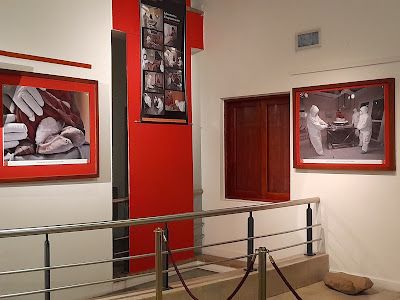
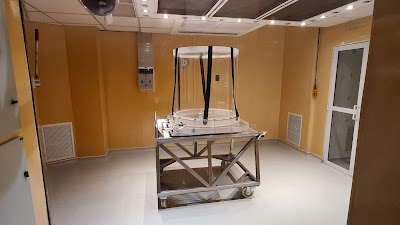
To display these priceless remains, the Museo required highly specialized conservation methods. The mummies are preserved within cryogenic capsules set at a constant −20 °C, with carefully controlled low oxygen and filtered lighting to ensure their long‑term stability. The building itself, originally neogothic, retains its historical exterior while the interior has been adapted for modern museological needs, including exhibition halls, scientific laboratories, conservation labs, and spaces for temporary exhibitions.
In addition to the permanent exhibits, the Museo hosts temporary exhibitions and offers educational experiences such as guided tours, lectures, children’s workshops, outreach programs like “The MAAM Goes to School,” and storytelling sessions through its extension programs. There is also a library—named the Andean Information Library—that preserves and shares Andean ancestral memory through books, recordings, and multimedia in Spanish, Quechua, and English. For visitors’ comfort, the Museo includes a café‑bar, a gift shop, and a terrace where guests can rest and reflect.
Interesting Facts
- High‑altitude archaeology: The Children of Llullaillaco were discovered in 1999 on the summit of Llullaillaco, a sacred and remote high‑altitude site at 6 739 metres—making it the highest known archaeological site in the world.
- Extraordinary preservation: Centuries of freezing cold, low humidity, and lack of microorganisms preserved the bodies and their textile and ritual offerings remarkably intact.
- Cryopreservation display: Only one mummy at a time is displayed, housed in a glass‑encased cold chamber, alongside its funerary objects such as miniature gold, silver, and shell figurines and ritual items.
- Inauguration and expansion: The Museo opened in 2004; later it welcomed additional collections like the Teruel collection of skeletal remains and the “Queen of the Hill” mummy found on Cerro Chuscha.
- Accolades: In 2024, TripAdvisor users rated the Museo as the top museum in Argentina and awarded it the Traveller’s Choice award.
- Cultural and scientific hub: The Museo has established itself as a reference institution for both cultural tourism and scientific research, bridging heritage, identity, and community dialogue.
Photo Gallery
Physical Location
Contact Details
Phone: +54387 437 0592
Website: maam.gob.ar/
Facebook: facebook.com/profile.php?id=61578613291436&rdid=UXUfZhuUYmGHRBCf&share_url=https%3A%2F%2Fwww.facebook.com%2Fshare%2F1FC3GpR8rY%2F#
Conclusion
The Museo de Arqueología de Alta Montaña de Salta is far more than a repository of archaeological treasures—it is a portal into the spiritual and cultural cosmos of the Incas. Through its architectural beauty, scientific rigor, and sensitive presentation, the Museo offers a profound encounter with ancient ritual, human sacrifice, and the sacred power of the Andean mountains.
Visitors leave not only informed about a distant civilization, but also deeply moved by the lives and offerings of the Children of Llullaillaco. The Museo’s fusion of technology, scholarship, and respect creates a unique space where history resonates with contemporary consciousness.
Whether one is drawn to archaeology, human stories, or Andean heritage, a visit to the MAAM is a journey both poignant and enlightening—a journey into a timeless dialogue between the past, the mountains, and the living present.