Money Museum Groshi

Introduction
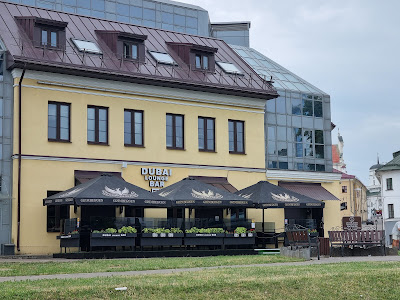
The Money Museum Groshi in Belarus, also known as the Groshi Museum of Money, is located in the heart of Minsk on Zybickaya Street number six. This museum offers visitors a fascinating journey through the history of currency tied to the territory of Belarus. Situated in the historic Upper Town near the Nemiga Metro station, it is easily accessible for both local residents and international tourists. The Money Museum Groshi combines education, history, and culture in a welcoming and engaging environment.


About the Museum
The Money Museum Groshi was founded in Minsk in 2018 as a private initiative. Its central mission is to present the history of money circulation across the geographic territory of Belarus over many centuries. The museum’s collection is composed entirely of original coins, banknotes, and monetary-related artifacts—no replicas are displayed.
Visitors can follow a chronological narrative spanning over fifteen centuries. The exhibits begin with monetary systems in the Roman Empire and proceed through the period of the Grand Duchy of Lithuania, the Polish‑Lithuanian Commonwealth, the Russian Empire, the German occupations during both world wars, and the early Soviet era. It continues into the modern independent Republic of Belarus, including local Civil War issues and commemorative coins issued by the National Bank of Belarus. In 2023 the museum already includes samples from more than one hundred fifty countries donated by visitors and collectors, and continues expanding its world‑level scope.
The visitor experience is enhanced by interactive components. Touch‑screen terminals allow exploration of detailed information about exhibits and historical periods. The museum also hosts lectures and master‑classes aimed at school pupils and university students to foster knowledge about financial history and money’s role in society. At the entrance there is a commercial zone where guests may purchase commemorative and jubilee coins—primarily from the National Bank of Belarus—along with banknotes from around the world and themed souvenirs like magnets and coin holders.
Admission is charged daily, with a general ticket for adults priced at fifteen Belarusian rubles, and reduced admission at ten rubles for school pupils, full‑time students, and pensioners. Children under six years of age, veterans of the Great Patriotic War, people with disabilities, and orphaned children may enter free of charge upon presentation of appropriate documentation. The museum is open daily from ten in the morning until seven in the evening.
Interesting Facts
- The museum displays only original artifacts—no copies—ensuring authenticity of its entire collection.
- It covers more than fifteen centuries of monetary history, tracing the evolution from Roman Empire coinage to modern Belarusian currency.
- The collection includes rare local issues from Belarusian cities during the Civil War era, as well as occupation currencies used during both World Wars.
- A dedicated section honours commemorative coins produced by the National Bank of the Republic of Belarus, which formed the nucleus of the museum’s original collection.
- Interactive touch‑screen kiosks allow visitors to dive deeper into the stories behind each exhibit and individual currency items.
- The museum hosts educational events such as lectures and master‑classes for young audiences to inspire interest in financial history and culture.
- Its collection has grown to include monetary items from over one hundred fifty countries, many donated by visitors and collectors themselves.
Photo Gallery


Physical Location
Contact Details
Phone: +37529 198 9090
Website: en.mgroshi.by//
Facebook: facebook.com/mgroshiby#
Conclusion
The Money Museum Groshi in Minsk offers an exceptional and immersive visit for anyone interested in the evolution of money, regional heritage, or financial history in general. With its expansive collection of original coins, banknotes, and monetary artifacts spanning centuries, interactive learning tools, and engaging educational programmes, it appeals to families, scholars, tourists, and enthusiasts alike. Whether you are tracing the legacy of Belarusian independence or exploring world currencies through personal stories and donations, the museum provides a unique and lively perspective. A visit to the Money Museum Groshi is both informative and enjoyable—an ideal stop in Minsk for those eager to connect with the story of how money shapes nations and societies.