Museo Casa Rosada

Introduction
The Museo Casa Rosada, located at Avenida Paseo Colón 100 in the Ciudad Autónoma de Buenos Aires, Argentina, is a remarkable venue that invites visitors to journey through the nation’s rich political history. Situated within the historic Casa Rosada, the iconic pink presidential palace, this museum offers an immersive experience connecting the country’s governance and cultural legacy. With free entry and a welcoming atmosphere, the Museo Casa Rosada promises both enlightening and enjoyable visits for all who come through its doors.


About the Museum
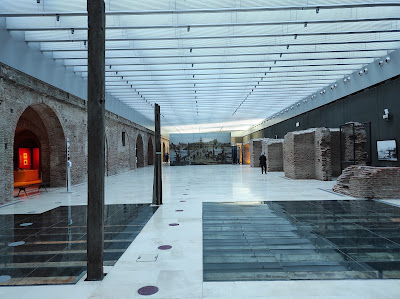
Established in 1957, the Museo Casa Rosada is dedicated to preserving, researching, and communicating Argentina’s history through the lives and administrations of its presidents, specifically focusing on those whose terms concluded at least thirty years prior. In 2011, the museum expanded its narrative by incorporating archaeological remains from the former Aduana Taylor customs house and the Fuerte de Buenos Aires, enriching the visitor’s connection to the deep roots of Buenos Aires’s institutional history. That same year, it added the celebrated mural Ejercicio Plástico, painted by David Alfaro Siqueiros and collaborators, a significant piece of Latin American muralism that elevates the museum’s cultural value.
Visitors explore a thoughtfully organized principal exhibition that spans two centuries of Argentine history. It is presented in stages, such as “Primeros años y experimentos confederales (1806–1862), Rivadavia, Rosas, Urquiza y Derqui” and “Un proyecto de país (1862–1880), Mitre, Sarmiento y Avellaneda”, as well as the more recent “Justo José de Urquiza: un cambio de rumbo. Hacia la organización del Estado nacional” . Complementing these is a temporary exhibition titled “Memoria y fragmentos. Diálogos entre las obras de Alicia Díaz Rinaldi y Francisco Tamburini”, which provides an engaging contemporary dialogue within the museum’s broader historical narrative.
The museum is open Wednesday through Sunday, from 10:00 to 17:00, with the last admission at 16:30. It remains closed on Mondays and Tuesdays. Entry is entirely free, and reservations are not required. For ease of exploration, visitors can enjoy QR‑code‑based digital information available in each gallery, and the museum encourages bringing only small bags for convenience.
Accessibility is a priority at the Museo Casa Rosada. The facility is equipped with ramps, elevators, accessible restrooms, and wheelchairs available at the information desk. Guide dogs are welcome. Additionally, there are specialized guided tours for people with visual impairments and tours in Argentine Sign Language, depending on the schedule. The inclusive “Museo Accesible” initiative also offers accessible programming such as guided tours for individuals who are blind or have low vision on the third Sunday of each month, and tours with Argentine Sign Language interpretation on the last Saturday of each month, in collaboration with organizations dedicated to accessibility.
The museum’s Área Educativa (Education Area) designs interactive learning experiences and guided visits to the historic Casa Rosada itself, offering visitors reflection, engagement, inspiration, and entertainment as they learn about the country’s history in a dynamic way. Beyond its exhibitions, the museum also forms part of the “Corredor Histórico”, a network of cultural and historical sites in Plaza de Mayo, which includes landmarks such as the Museo Histórico Nacional del Cabildo, the Catedral Metropolitana, and others. Through coordinated visits and QR‑based information, this corridor encourages visitors to appreciate an interlinked heritage experience. Finally, the “Colecciones Sarmientinas” project connects and showcases collections related to Domingo Faustino Sarmiento across multiple institutions, offering a collaborative digital repository and network for Sarmiento‑related heritage.
Interesting Facts
- Free admission, open Wednesday through Sunday from 10:00 to 17:00, with the last entry at 16:30.
- Ramps, elevator, accessible restrooms, wheelchairs, and guide‑dog friendly — designed for inclusive access.
- Guided tours for visitors with visual impairments on the third Sunday of each month, and sign language interpreted tours on the last Saturday.
- Home to the remarkable mural Ejercicio Plástico (1933) by David Alfaro Siqueiros and collaborators — a masterpiece of Latin American muralism.
- Exhibits archaeological remains of the former Aduana Taylor and the Fuerte de Buenos Aires, linking to Buenos Aires’s historic foundations.
- Features a principal exhibition structured in historical phases, including the formative era of the confederation, national consolidation, and evolving republic under key leaders.
- Includes a contemporary exhibition: “Memoria y fragmentos. Diálogos entre las obras de Alicia Díaz Rinaldi y Francisco Tamburini”.
- Part of the Corredor Histórico, offering a connected cultural itinerary across major heritage sites in Buenos Aires.
- Leads the Colecciones Sarmientinas project, fostering collaboration among institutions to preserve and share materials related to Domingo Faustino Sarmiento
Photo Gallery


Physical Location
Contact Details
Phone: +54115 598 1100
Website: argentina.gob.ar/secretariageneral/museo-casa-rosada
Facebook: facebook.com/museocasarosada
Conclusion
The Museo Casa Rosada is a dynamic and accessible cultural destination where Argentina’s history comes to life through thoughtful exhibitions, significant artifacts, and inclusive programming. From the impressive Ejercicio Plástico mural and archaeological vestiges to the carefully curated narratives of nation-building, visitors encounter a compelling story told with depth and creativity. The museum’s commitment to accessibility ensures that all visitors, regardless of their needs, can engage meaningfully with the content. Situated within the context of broader educational projects and the vibrant Corredor Histórico, the Museo Casa Rosada stands as a must‑visit landmark for anyone seeking to understand Argentina’s past, its founding figures, and the threads that connect them to the present. It welcomes you to explore, reflect, and feel genuinely connected to the legacy and identity of the Argentine nation.