Museum of Natural History Vienna
Introduction
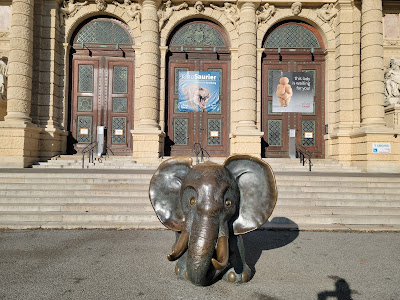
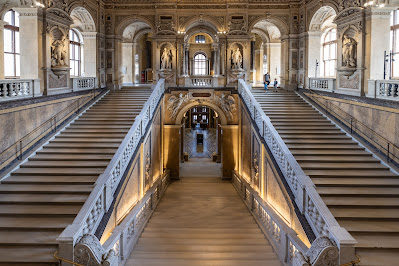
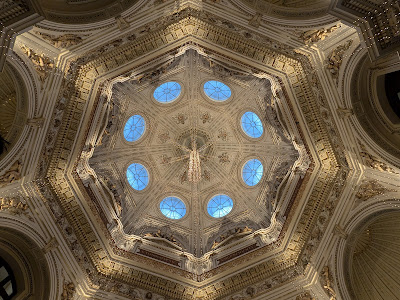
Nestled in the heart of Vienna, Austria, the Natural History Museum Vienna—known locally as the Naturhistorisches Museum Wien—is a treasure trove of natural wonders. Situated on the iconic Maria-Theresien-Platz, this architectural masterpiece stands as a testament to the grandeur of the Habsburg era. With its majestic façade and ornate interiors, the museum is not only a cultural landmark but also a beacon for those eager to explore the vast tapestry of Earth’s history. Whether you’re a history enthusiast, a science aficionado, or a curious traveler, the museum offers an enriching experience that spans millions of years.

About the Museum
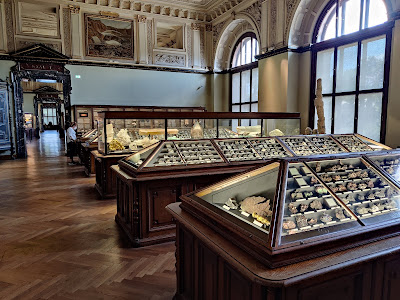
Established in the late 19th century, the Natural History Museum Vienna boasts a collection that is both vast and diverse. Home to over 30 million specimens, the museum’s exhibits cover a wide array of natural sciences, including paleontology, anthropology, mineralogy, and zoology. The museum’s commitment to research and education is evident in its meticulously curated displays and state-of-the-art presentation methods.
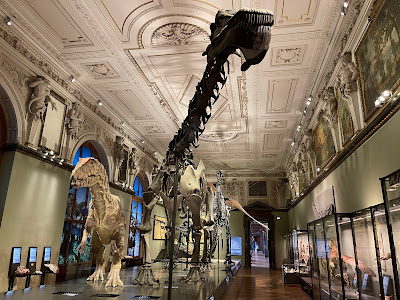
One of the museum’s standout features is its dedication to showcasing the evolution of life on Earth. From the towering skeletons of dinosaurs to the intricate displays of prehistoric artifacts, visitors are taken on a journey through time. The museum’s halls are thoughtfully organized, allowing guests to explore different epochs and understand the interconnectedness of life forms throughout history.
Interesting Facts
- Venus of Willendorf: The museum houses the renowned 29,500-year-old limestone figurine, the Venus of Willendorf, discovered in 1908. This masterpiece of Early Stone Age sculpture is displayed in the Venus Cabinet, alongside the 36,000-year-old statuette known as “Fanny”.
- Dinosaur Hall: The Dinosaur Hall features lifelike models, including the world’s first life-size model of a terror bird, providing an immersive experience into the age of giants.
- Meteorite Collection: The museum boasts the largest and oldest collection of meteorites globally, with over 1,100 specimens on display.
- Gold Cabinet: The Gold Cabinet showcases artifacts spanning five millennia, including the 6,000-year-old gold discs from the Stollhof Hoard, offering insights into early human craftsmanship.
- Anthropology Halls: These halls delve into human evolution, featuring skeletons and soft tissue reconstructions of early humans, allowing visitors to trace the development of Homo sapiens.
Photo Gallery
Physical Location
Contact Details
Phone: +43 152 1770
Website: nhm.at/
Facebook: facebook.com/Naturhistorisches.Museum.Wien
Conclusion
A visit to the Natural History Museum Vienna is more than just an exploration of exhibits; it’s an invitation to embark on a journey through time. Each hall offers a unique perspective, whether it’s the awe-inspiring dinosaur skeletons or the delicate artifacts from ancient civilizations. The museum’s commitment to education and research ensures that every visit is both informative and inspiring. For those seeking to understand the natural world and our place within it, the Natural History Museum Vienna stands as a beacon of knowledge and discovery.