National Museum of Archaeology

Introduction
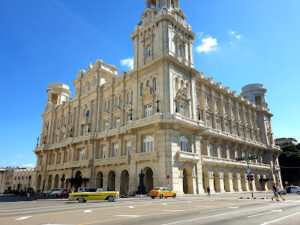
The National Museum of Archaeology, situated in the heart of Valletta on Republic Street, offers an unforgettable journey through Malta’s earliest history. Housed in the beautiful Auberge de Provence, this museum provides visitors with the opportunity to explore remarkable treasures from prehistoric and early historic periods. Whether you are a history enthusiast or visiting with family, the museum’s engaging displays and atmospheric setting make it a must-see destination in Malta.


About the Museum
The museum’s extensive collection spans from the Neolithic era, approximately 5900 to 2500 BC, right through to the early Phoenician period of the eighth to sixth century BC. On the ground floor, visitors encounter a fascinating selection of the island’s earliest tools and vessels, bringing to life the daily routines and creative expressions of Malta’s first inhabitants. Among the most celebrated exhibits are the ‘Sleeping Lady’ from the Ħal Saflieni Hypogeum and the ‘Venus of Malta’ from Ħaġar Qim, relics that offer insight into the spiritual and artistic world of prehistoric Malta.
On the upper floor, visitors can explore displays from the Bronze Age and the Phoenician period. These include ritual vessels, the impressive Phoenician glassware and jewellery, and a standout terracotta anthropomorphic sarcophagus. A brand new hall elegantly showcases Phoenician artefacts, including a gold amulet of the gods Horus and Anubis and inscriptions on papyrus. The museum also features the grand Baroque “Grand Salon”—a splendid hall once used by the Knights of the Order of Saint John and today serves as a venue for exhibitions and events.
Beyond its permanent collections, the museum regularly hosts temporary exhibitions drawn from its reserve holdings. It also offers guided tours, interactive multimedia, and evolving displays that welcome and engage families, scholars, and casual visitors alike.
Interesting Facts
- The museum building, Auberge de Provence, was constructed in 1571 and was originally home to knights from the Provence region of France.
- It houses the famous ‘Sleeping Lady’ statuette from the Ħal Saflieni Hypogeum, an ancient underground burial site.
- The Venus of Malta, displayed here, originates from the iconic temple complex at Ħaġar Qim.
- A recently unveiled Phoenician hall displays a solid gold pendant featuring Egyptian deities and a terracotta sarcophagus recovered from a tomb.
- The Grand Salon’s richly painted walls and wooden-beamed ceiling date to the early nineteenth century and once hosted banquets for the Knights.
- Heritage Malta, in partnership with Google Arts & Culture, has digitised over 150 artefacts and offers a virtual “Cardboard Tour,” as well as ultra-high‑resolution imagery of key highlights.
Photo Gallery


Physical Location
Contact Details
Phone: +3562 122 1623
Website: heritagemalta.mt/explore/national-museum-of-archaeology/
Facebook: facebook.com/HeritageMalta/
Conclusion
The National Museum of Archaeology provides an enriching and memorable encounter with Malta’s ancient past. From Neolithic artistry to Phoenician ritual objects, the museum presents a well-curated narrative of human creativity, spiritual expression, and cultural continuity. Its breathtaking setting within a baroque auberge and the dynamic mix of permanent and temporary displays ensure that each visit is both inspiring and informative. Whether you are admiring the enigmatic figurines of prehistoric people or tracing the island’s connection to Mediterranean civilizations, the museum leaves a lasting impression of Malta’s deep and vibrant heritage. For any visitor seeking to understand the story behind the stones, sculptures, and symbols that shaped the Maltese Islands, this museum is an indispensable first step.