National Museum of Natural History
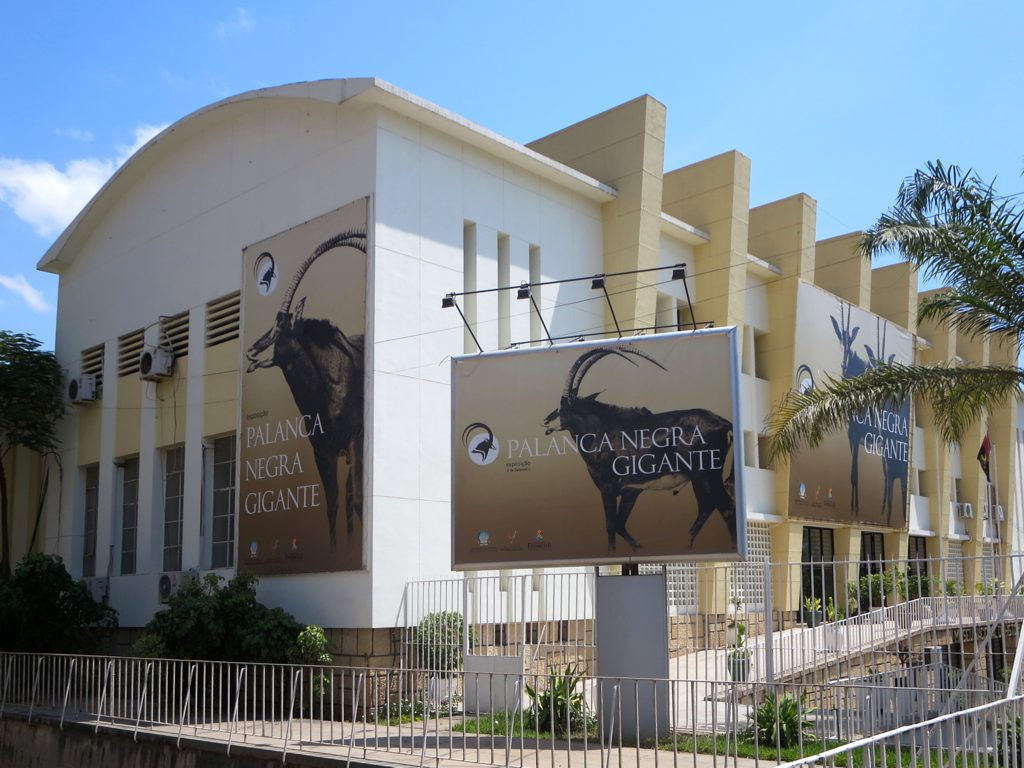
Introduction
Located in the bustling heart of Luanda, the Museu Nacional de História Natural de Angola (National Museum of Natural History of Angola) stands as a beacon of knowledge and a testament to the country’s rich biodiversity. Established in 1938, this prestigious institution invites visitors to embark on a journey through Angola’s natural wonders, offering an immersive experience that educates and inspires.


About the Museum
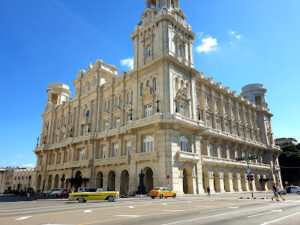
The Museu Nacional de História Natural de Angola, located in the Ingombota District, is not only the largest museum of its kind in Angola but also the sole custodian of the nation’s natural history within a museum setting. The museum’s three-story building houses extensive collections that span various domains of natural history, including zoology, botany, and geology. As you wander through the spacious exhibition halls, you’ll encounter meticulously preserved specimens that bring Angola’s wildlife right before your eyes.
Interesting Facts
- The museum was originally housed in the Fortress of São Miguel before moving to its current location in 1956.
- It boasts a vast collection of mammals, fish, cetaceans, insects, reptiles, and birds, all showcased in their simulated natural habitats.
- Among its treasures are extensive collections of mollusks, butterflies, and shells, some of which were historically used as currency on the West African coast.
Photo Gallery


Physical Location
Contact Details
Phone: +244 921360872
Conclusion
A visit to the Museu Nacional de História Natural de Angola is more than just a tour; it’s an exploration of the heart of Angola’s ecological heritage. Whether you’re a nature enthusiast, a history buff, or simply looking for a unique cultural experience, the museum offers a window into the soul of Angola’s natural world. It stands as a proud reminder of the importance of preserving and understanding our planet’s biodiversity for generations to come. Plan your visit and become part of Angola’s ongoing story of natural history and conservation.