National Museum of Slavery
Introduction
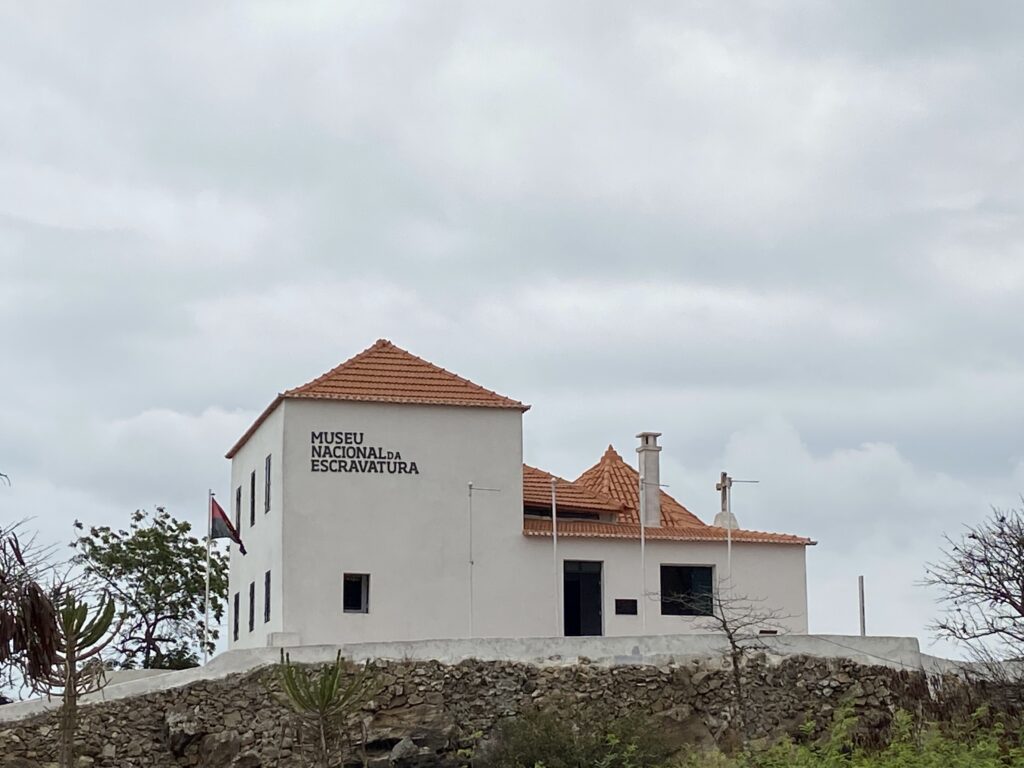
Nestled in the tranquil setting of Morro da Cruz in Luanda, Angola, the National Museum of Slavery (Museu Nacional da Escravatura) offers a profound journey through a pivotal era in human history. This museum, established under the auspices of the National Institute of Cultural Patrimony in 1977, stands as a haunting reflection of Angola’s past and a tribute to the resilience of the human spirit.


About the Museum
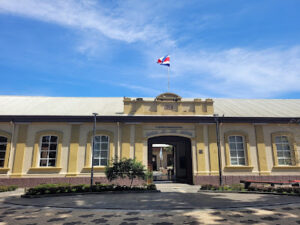
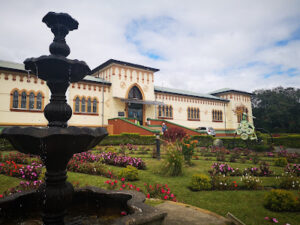
The National Museum of Slavery is housed in the former estate of Álvaro de Carvalho Matoso, a notorious figure in the slave trade of the 18th century. The museum’s narrative focuses on the Atlantic Slave Trade, with a particular emphasis on Portugal’s role, while also shedding light on African slavery before European involvement. Visitors can expect to encounter a range of artifacts that tell the chilling story of this dark period, from the 17th-century Capela da Casa Grande where enslaved individuals were baptized, to personal items that belonged to those who were traded.
Interesting Facts
- The museum was established in 1977, post-Angolan independence.
- It is located beside the historic Capela da Casa Grande, integral to the slave trade.
- The museum’s collection includes artifacts from the 17th century onwards.
- It serves as a memorial to the Angolan people affected by the slave trade.
Photo Gallery


Physical Location
Contact Details
Website: welcometoangola.co.ao/museu-nacional-da-escravatura
Conclusion
The National Museum of Slavery is more than just a museum; it is a place of remembrance and education. It offers visitors a chance to reflect on the past and to honor the strength of those who endured one of humanity’s most challenging periods. A visit to this museum is not only an educational experience but also an opportunity to pay respects to the countless lives that were changed forever by the slave trade.