National Museum of Vanuatu

Introduction
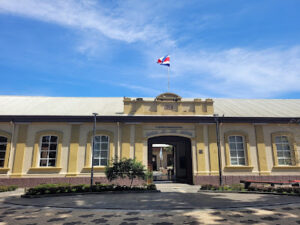
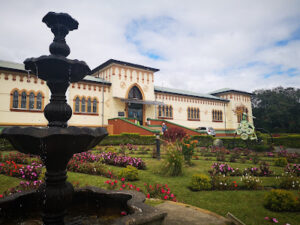
The National Museum of Vanuatu, nestled within the Vanuatu Cultural Centre in Port Vila, Vanuatu, offers visitors a compelling journey through the archipelago’s rich cultural and historical heritage. Located opposite the National Parliament, this institution sits at the heart of the capital city, making it both a convenient and inspiring destination for anyone eager to immerse themselves in Ni‑Vanuatu traditions. Through its thoughtful exhibits and respectful engagement with kastom traditions, the National Museum of Vanuatu invites guests to experience the enduring spirit of the islands in a welcoming and positive atmosphere.


About the Museum
The National Museum of Vanuatu forms part of the Vanuatu Cultural Centre, a statutory body established in 1959 with a clear mission to preserve, protect and promote Vanuatu’s cultural heritage. The museum, formally established around 1960, shares a purpose‑built home with the Cultural Centre, having moved into its current premises in November 1995—its opening ceremony included ritual activities and was designated National Cultural Day.
Inside, the museum showcases a diverse collection that spans archaeological, ethnographic, biological and geological specimens. Visitors can admire traditional items such as masks, slit gongs, scale models of outrigger canoes, ceremonial headdresses, shell jewellery and both Lapita and Wusi pottery—some artefacts dating back over three thousand years. The geological collection is equally fascinating, including bones of horned turtles from the meiolaniid family excavated at the Teouma site, demonstrating early human‑wildlife interactions.
Beyond physical displays, the museum is grounded in a deeply respectful museological approach. It does not blindly follow European traditions; instead, it honours kastom, acknowledging that many objects are inextricably linked to familial, social and spiritual networks. Some items, considered tabu, are safeguarded in spaces such as the Tabu Room, where access is controlled according to community traditions.
Public engagement is particularly lively. The museum offers guided tours that often include sand‑drawing demonstrations and traditional instrument presentations, allowing visitors to witness kastom practices come alive through storytelling and artistry. Through its Kastom School, the museum also ensures that younger generations are taught traditional arts and stories, supporting cultural continuity.
Interesting Facts
- Holistic Collections: The museum’s collections include archaeological, ethnographic, biological, geological and photographic materials—from ancient pottery to animal specimens and images of sand‑drawing traditions.
- Respect for Kastom: Certain cultural objects are kept in the Tabu Room and access to them is governed by kastom protocols, ensuring the community’s spiritual customs are honoured.
- Ritual Opening: The museum’s current building was inaugurated in November 1995, with a four‑day ritual, spiritual dedication and the sacrifice of a pig, and that very date was later celebrated as National Cultural Day.
- Community‑led Museology: The museum challenges western museum norms by working closely with communities to document social meanings tied to objects, emphasising an indigenous understanding of heritage.
- Sand‑Drawing Demonstrations: Many visitors highlight the interactive sand‑drawing demonstrations by museum guides as a cultural highlight—beautiful, intricate, and narrated with engaging storytelling.
Photo Gallery


Physical Location
Contact Details
Phone: +6 782 2129
Website: vanuatuculturalcentre.gov.vu/
Facebook: facebook.com/p/National-Museum-Of-Vanuatu-100063962313860/
Conclusion
A visit to the National Museum of Vanuatu is more than a typical museum experience—it is an invitation to connect with the living culture of the islands. From ancient Lapita pottery and horned turtle remains to vibrant sand‑drawing performances, each element of the museum reflects the traditions, beliefs and histories of Vanuatu’s many communities. The National Museum of Vanuatu respects kastom and places communities at its centre, providing an authentic and enriching experience for visitors. Whether you spend a brief hour or linger longer, you will leave with a deeper appreciation for Vanuatu’s heritage and a meaningful sense of connection to this remarkable corner of the Pacific.