National Tile Museum

Introduction
Located in the vibrant city of Lisbon, Portugal, the National Tile Museum offers visitors a stunning and immersive journey through one of the country’s most distinctive and treasured art forms — the azulejo. Housed in the former Convent of Madre de Deus, this museum is not only a showcase of intricate tile art but also a historical monument in its own right. The National Tile Museum presents centuries of Portuguese cultural evolution through the brilliant medium of ceramic tiles, from their origins to modern interpretations. For anyone visiting Lisbon, this museum provides a unique and enriching experience that beautifully combines art, history, and tradition.


About the Museum
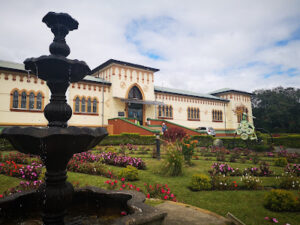
The National Tile Museum, known locally as the Museu Nacional do Azulejo, was established in 1965 and occupies the magnificent building of a sixteenth-century convent founded by Queen Leonor. This setting creates an atmospheric backdrop for the museum’s collection, with its ornate cloisters, Baroque church, and decorative interiors enhancing the visual appeal of the displays.
The museum’s collection traces the history of azulejos from their early influences, including Islamic and Spanish-Moorish designs, to the elaborate blue-and-white compositions of the seventeenth and eighteenth centuries. Visitors can observe how the technique and artistry of tile-making evolved across different time periods, styles, and regional influences. The exhibits highlight religious motifs, mythological scenes, decorative patterns, and large-scale narrative panels that once adorned churches, palaces, and homes throughout Portugal.
One of the highlights of the museum is a panoramic azulejo panel over thirty meters long that depicts the city of Lisbon before the devastating 1755 earthquake. This monumental work not only showcases technical mastery but also provides a fascinating historical record of the city’s layout and architecture. Visitors are encouraged to take their time and enjoy the richly detailed compositions, as each tile tells part of a larger story.
Interesting Facts
- The museum is located in the former Convent of Madre de Deus, which dates back to 1509.
- It features one of the most comprehensive collections of azulejos in the world, spanning from the fifteenth century to the present day.
- The church within the museum complex is richly decorated in Baroque style with gilded woodwork and ornate tiles.
- The panoramic tile panel of Lisbon, created in 1700, is one of the largest and most famous tile works in Portugal.
- The collection includes both traditional and contemporary works, showing the ongoing evolution of tile art.
- The museum preserves not only the tiles but also the tools and techniques used in their production.
- Temporary exhibitions and educational programs offer deeper insights into the cultural significance of azulejos in Portuguese heritage.
Photo Gallery


Physical Location
Contact Details
Phone: +351218100340
Website: museunacionaldoazulejo.pt/
Facebook: facebook.com/museunazulejo
Conclusion
The National Tile Museum in Lisbon is a radiant tribute to one of Portugal’s most iconic artistic traditions. With its breathtaking collection, historic setting, and informative displays, the museum offers a captivating exploration of azulejo art from its origins to its modern-day interpretations. Visitors are not only treated to the beauty of ceramic craftsmanship but also to the stories and history embedded within each tile. Whether you are an art lover, a history enthusiast, or simply curious about Portuguese culture, a visit to the National Tile Museum promises to be both inspiring and unforgettable.