Natural History Museum

Introduction
Located in the heart of South Kensington, London, the Natural History Museum is one of the most iconic and fascinating museums in the United Kingdom. Known for its magnificent architecture, world-renowned collections, and engaging exhibits, the museum offers a captivating journey through the wonders of the natural world. Whether you are a science enthusiast, a history buff, or simply curious about the planet’s incredible biodiversity, the Natural History Museum is a must-visit destination for all ages.

About the Museum
The Natural History Museum was established in 1881 and is home to an extensive collection of specimens from various segments of natural history. The museum’s impressive building, designed in the Romanesque style, features striking terracotta facades adorned with intricate carvings of plants, animals, and fossils. This remarkable design makes the museum as much a visual masterpiece as an educational hub.
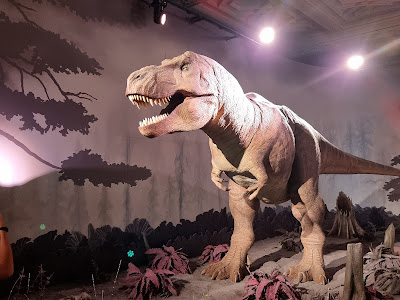
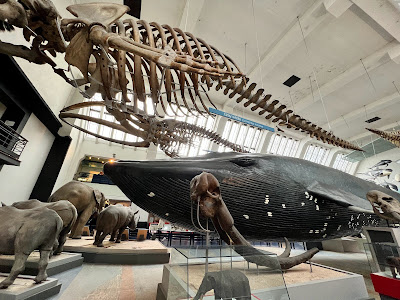
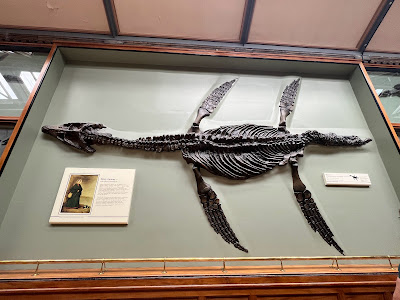
Inside, visitors can explore a variety of captivating galleries that showcase the diversity of life on Earth. One of the most famous attractions is the museum’s grand Hintze Hall, where a stunning blue whale skeleton named “Hope” is suspended from the ceiling. The museum’s dinosaur exhibit is another highlight, featuring fossilized skeletons and animatronic displays that bring prehistoric creatures to life.
The Natural History Museum also features interactive displays on human evolution, minerals, and Earth’s geological processes. Visitors can marvel at rare gemstones, explore the mysteries of volcanoes and earthquakes, or learn about the intricate ecosystems that sustain life. The museum also places a strong emphasis on conservation, educating visitors about environmental challenges and the importance of protecting the planet’s biodiversity.
Interesting Facts
- Iconic Dinosaur Display: The museum was once famous for “Dippy,” a life-sized replica of a Diplodocus skeleton that greeted visitors in Hintze Hall for over a century. “Dippy” now tours various venues across the United Kingdom.
- The Blue Whale Skeleton: The magnificent 25.2-meter blue whale skeleton, named “Hope,” now takes center stage in the museum’s main hall, symbolizing the power of scientific discovery and conservation. Rich Collection: The museum houses over 80 million specimens, covering zoology, botany, paleontology, entomology, and mineralogy.
- Darwin Centre: This modern extension provides visitors with a behind-the-scenes look at the museum’s research and scientific work.
- Historic Architecture: The building itself is often referred to as a “cathedral of nature,” with its elaborate stone carvings and impressive design.
Photo Gallery
Physical Location
Contact Details
Phone: +44 20 794 25000
Website: nhm.ac.uk
Facebook: facebook.com/naturalhistorymuseum
Conclusion
The Natural History Museum in London is an extraordinary destination that offers a blend of education, inspiration, and awe-inspiring exhibits. From the towering blue whale skeleton to the intricate details of Earth’s geological history, the museum provides visitors with a deeper appreciation of the natural world. With its family-friendly atmosphere, interactive displays, and focus on environmental conservation, the Natural History Museum invites visitors to explore the wonders of life on Earth. Whether you are a London local or a tourist exploring the city, a visit to the Natural History Museum promises an unforgettable experience filled with discovery and excitement.