Oficina Ceramica Francisco Brennand

Introduction
The Oficina Cerâmica Francisco Brennand is a remarkable cultural destination located in Recife, in the Brazilian state of Pernambuco. Nestled within the lush Mata da Várzea and beside the Capibaribe River, this site offers visitors a deep immersion in the creative world of the celebrated Brazilian artist Francisco Brennand. At this museum‑atelier, guests are invited to step into a living art environment where sculpture, architecture, landscape design, and ceramic production converge to form a singular artistic experience.


About the Museum
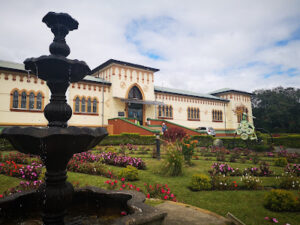
The Oficina Cerâmica Francisco Brennand is a museum‑atelier established by the artist Francisco Brennand in 1971, built upon the ruins of his family’s former brick and tile factory, Cerâmica São João. Over more than five decades, the artist and his collaborators have shaped the site—known as the Cidadela—into a vast artistic compound comprising pátios, gardens, temples, galleries, and workshops.
Inside the museum, visitors explore the Salões de Esculturas, ten distinct exhibition environments housing more than five hundred works, including ceramic murals, an amphitheatre, and decommissioned kilns. Many of these pieces are displayed in dialogue with the outdoors: around seven hundred ceramic sculptures are arranged in the various courtyards, gardens, and temples of the Cidadela.
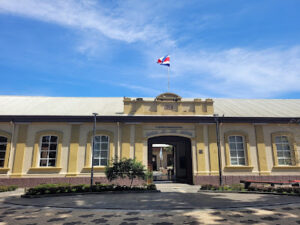
Among the most captivating spaces is the Praça Burle Marx, a garden designed by the eminent Brazilian landscape artist Roberto Burle Marx. This area features native plant species arranged alongside sculptures and ceramic murals that celebrate themes from nature and culture, like a work titled Paraíso perdido. The Accademia, inaugurated in 2003, offers a climate‑controlled gallery for rotating exhibitions, hosting works across multiple media—including drawings, paintings, sculptures, and archival material—within an architectural setting inspired by the old factory sheds.
The museum also includes the Capela Imaculada Conceição, a chapel transformed from a nineteenth‑century colonial building in 2006. Its design was contributed by renowned architects Paulo Mendes da Rocha and Eduardo Colonelli and embellished with religious murals, a pia batismal, and sacred imagery.
For a richer visitor experience, the Oficina maintains a café‑restaurant and a shop, where artisans continue to produce utilitarian ceramic objects following Francisco Brennand’s aesthetic. These creations are made by a team of master ceramists using traditional manual techniques, and sales support the museum’s educational and cultural activities.
Interesting Facts
- The Cidadela is the name Francisco Brennand gave to the entire museum‑atelier complex, where architecture and art coexist in a mythical, immersive landscape composed of gardens, pátios, temples, galleries, and workshops.
- Within the Pátio de Entrada, visitors can see notable works such as Os Comediantes (1981), a group of four figures greeting guests; Vênus sequestrada (1988), set in a fountain surrounded by pelican heads; and the figurative Pássaros Rocca (2007).
- The Templo do Sacrifício, evocative of ritual and memory, includes figures symbolizing colonial history, such as representations of Moctezuma II and Atahualpa, as well as an altar and a central sculpture of an albatross.
- In the Lago das Sombras, a small reservoir revitalized by the artist, the sculpture Árvore da vida (1996) stands upon a ceramic relief pedestal at its center.
- The Memorial Ricardo Lacerda de Almeida Brennand honours the artist’s father, founder of the original factory, and includes artifacts such as an altar, a stained‑glass window, personal objects, and a floral ceramic mural.
- The museum is not only a place for viewing art—it also serves as a vibrant centre for education, residencies, and research, offering programs for teachers, artist residencies, and public formation in areas like museology and conservation.
- Visitors can explore an online digital archive containing searchable content across the artista’s diverse production—sculptures, drawings, ceramics, and archival documents—and various media.
Photo Gallery


Physical Location
Contact Details
Phone: +55 812 011 5466
Website: oficinafranciscobrennand.org.br/
Facebook: facebook.com/instabrennand
Conclusion
The Oficina Cerâmica Francisco Brennand is a living testament to the boundless imagination of Francisco Brennand, offering visitors a chance to step into a world where art, architecture, history, and nature merge into an extraordinary experience. From vast sculpted pátios to intimate galleries, from lush gardens to contemplative chapels, the museum invites exploration, reflection, and wonder. Visitors may wander through spaces rich in mythological symbolism—or witness the ongoing production of ceramic pieces rooted in tradition, craftsmanship, and artistic legacy. Whether one is passionate about ceramics, architecture, cultural history, or simply curious for a singular museum experience, the Oficina promises to inspire and enchant at every turn. A visit to this place is not merely a tour—it is an encounter with an artist’s boundless creative universe brought to life.