Pompey Museum of Slavery & Emancipation

Introduction
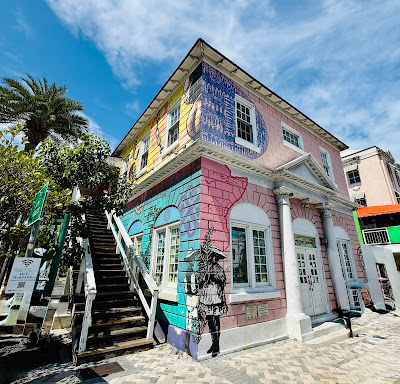
The Pompey Museum of Slavery and Emancipation in Nassau, The Bahamas, offers a deeply moving and enlightening experience about the country’s history. Nestled in downtown Nassau on Bay Street within historic Nassau Old Town, the museum has become a meaningful destination for visitors eager to understand the complex legacy of slavery and the subsequent journey toward emancipation. Its location in the venerable Vendue House—a building that once served as a marketplace—imbues every exhibit with palpable historical resonance.
About the Museum
Housed in the eighteenth-century Vendue House—built before 1769 and formerly known as The Bourse—the Pompey Museum of Slavery and Emancipation occupies a site steeped in history. Originally a marketplace where enslaved Africans and other goods were traded in the eighteenth and nineteenth centuries, the building now serves a noble purpose by preserving and interpreting this difficult past.
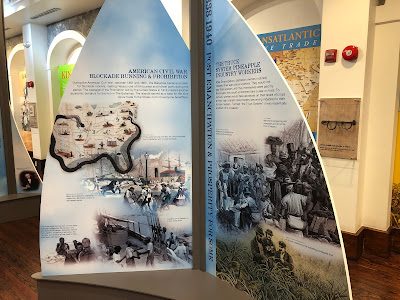
Established in 1992, the museum honors a courageous enslaved man named Pompey, who lived on the Rolle Plantation on Exuma and who led acts of resistance against oppression. While the museum is modest in size—often described as a single-room gallery—it presents a powerful narrative through photographs, artifacts, letters, and well-organized textual exhibits.
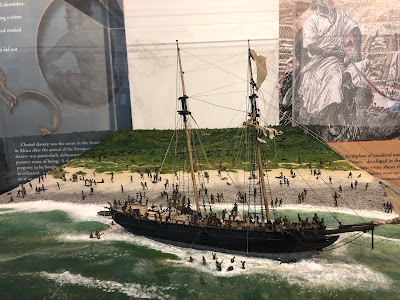
Inside, visitors encounter thoughtful displays chronicling the history of slavery in The Bahamas. These exhibits trace the institution from its local and transatlantic roots to the abolition laws—culminating in the Emancipation Act of 1834—and delve into the complex realities that followed freedom. The museum also looks beyond the local context, shedding light on how various forms of slavery persist around the world today.
Visiting the Pompey Museum offers a quiet, reflective experience. There is no guided tour, allowing you to engage with the exhibits at your own pace. The museum’s text-heavy and thoughtfully arranged content invites close reading and personal reflection.
Interesting Facts
- The museum is located in Vendue House, also known historically as The Bourse, which served as a slave marketplace in the eighteenth and nineteenth centuries.
- It was established in 1992 and is named in honour of Pompey, an enslaved man from Exuma who resisted oppression on the Rolle Plantation.
- The museum is small—often described as a single-room space—but contains a poignant collection of photographs, artifacts, and letters, including materials linked to the Emancipation Act of 1834.
- Exhibits provide both local historical context and a broader perspective on how forms of slavery continue to exist worldwide.
- Visitors explore the museum at their leisure, as there are no formal guided tours.
Photo Gallery
Physical Location
Contact Details
Phone: +12 42 326 1007
Website: nassaubahamasguide.com/destination/pompey-museum-bahamas/
Facebook: facebook.com/Pompeymuseum/
Conclusion
The Pompey Museum of Slavery and Emancipation offers a profoundly moving and educational journey through a pivotal chapter of Bahamian history. Set within the storied walls of Vendue House, the museum grounds visitors in a site that once bore witness to the harsh realities of a slave marketplace. Through its carefully curated exhibits—comprising photographs, artifacts, letters, and detailed narratives—the museum brings to life the experiences of enslaved Bahamians, their path to freedom, and the systemic challenges that persisted beyond emancipation.
Though modest in scale, the museum does not lack in depth or impact. Its reflective design and accessible format allow visitors to absorb history at their own rhythm and to connect personally with stories of resilience, resistance, and transformation. For anyone visiting Nassau who seeks not only beauty and leisure but also meaning and insight, a trip to this museum is both enriching and essential.
By engaging with this powerful institution, you not only pay tribute to those who endured and persevered, but you also gain a deeper understanding of the enduring significance of freedom—not just in the Bahamas, but across the world.