Royal Palace

Introduction
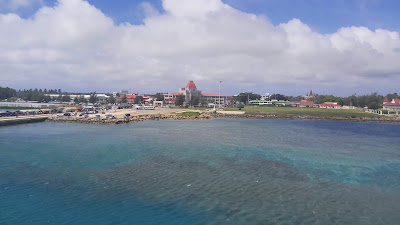
The Royal Palace of Tonga, located in Nukuʻalofa on the island of Tongatapu, serves as the official residence of the King and the royal family. It is situated on the northwest edge of the capital, overlooking the Pacific Ocean. While the interior is not publicly accessible, the palace grounds and surrounding areas offer visitors a richly historic and picturesque glimpse into Tongan heritage.
About the Museum
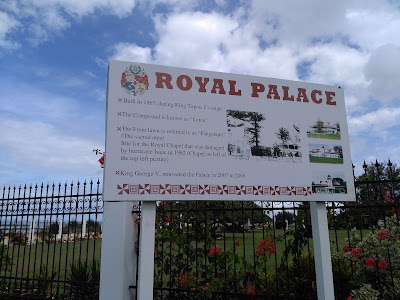
Although there is no traditional museum inside the Royal Palace, visitors will find a treasure of cultural significance in the palace grounds and nearby memorial sites. The palace itself, built in 1867 from native timber, remains one of the few official royal residences in the South Pacific that is still in use.
Visitors can admire the palace exterior—a striking white timber structure with verandas and a red‑tiled roof—visible from just outside the secure iron perimeter fence. The lush royal gardens and well-maintained lawns create a tranquil setting. While entry inside is prohibited, the palace and its surroundings convey much about Tonga’s monarchy and architectural heritage. In nearby areas, visitors may also learn about the royal family through statues, memorials, and walking vantage points that align with the royal tombs and the historical vista of the realm.
Interesting Facts
- The palace was originally constructed in 1867 during the reign of King George Tupou I and remains the official residence of his descendants.
- Built from native timber such as kauri and other local materials, the palace is one of the smallest royal residences in the world but rich in symbolic meaning.
- Although visitors cannot enter the palace, it can be admired from the waterfront and highway; the exterior and gardens remain accessible and photogenic.
- The perimeter used to be a sacred metre‑high stone fence; in the 1990s it was replaced by a three‑metre steel fence for security reasons.
- Just south of the palace along Kings Road (Hala Tuʻi), the royal burial grounds known as Malaʻekula hold Tonga’s monarchs and immediate royal family members, making it a place of reflection and national reverence.
- Visitors often encounter cultural ceremonies and public celebrations nearby, such as Constitution Day events, royal processions, and traditional kava ceremonies when held in open areas adjacent to the palace.
Photo Gallery


Physical Location
Contact Details
Phone: +676 843 5051
Website: royalpalace.to/
Facebook: facebook.com/pages/Royal%20Palace,%20Tonga/133036843398226/#
Conclusion
The Royal Palace of Tonga may not function as a museum with galleries and indoor exhibits, yet it offers a deeply meaningful cultural experience. Visitors can appreciate its historic architecture, serene gardens, and the symbolic presence of the royal dynasty from respectful vantage points outside its gates. The palace’s surroundings—including the royal tombs and ceremonial spaces—tell a powerful story of Tonga’s monarchy and heritage. For anyone interested in the kingdom’s history and traditions, a visit to the Royal Palace and its environs provides a memorable and respectful connection to Tongan culture.