Sakıp Sabancı Müzesi

Introduction
Nestled along the Bosphorus in Istanbul’s historic Emirgan district, the Sakıp Sabancı Museum offers an elegant blend of art, culture and heritage. This distinguished cultural space, located within the beautifully restored “Atlı Köşk” (“Horse Mansion”) and its modern gallery extension, welcomes visitors from around the world to discover Turkey’s rich artistic traditions. Situated on Sakıp Sabancı Street, the museum provides a serene yet inspiring setting for an unforgettable day of cultural immersion.


About the Museum
Originally built in 1925 by the Hidiv family as a summer residence, the mansion later came into the possession of Hacı Ömer Sabancı in 1951. He named it “Atlı Köşk” after installing a bronze horse statue by French sculptor Louis Doumas in the garden. A second equestrian figure—a cast of one of the four Crusader horses taken from Istanbul in 1204—reinforces the mansion’s enduring symbolism .
Sakıp Sabancı, who moved into the mansion in the 1970s, deepened the building’s cultural resonance by expanding its collection of Ottoman calligraphy, handwritten manuscripts and late Ottoman and early republican oil paintings.
In 1998, the Sabancı family generously donated both the mansion and its extensive collection to Sabancı University, paving the way for its transformation. Since opening to the public in 2002—and after further gallery enhancements in 2005—the museum has adhered to international standards in both exhibition design and technical infrastructure.
Today, it offers a multifaceted cultural experience featuring permanent collections, rotating temporary exhibitions, conservation efforts, educational workshops, guided tours, concerts, lectures and seminars—fostering an inventive and engaging museum environment.
Interesting Facts
- Historical architecture: The main building, known as Atlı Köşk, was designed by Italian architect Edoardo De Nari in 1925 for Egyptian Hidiv royalty .
- Iconic sculptures: The estate features two horse statues—the original commissioned for Hacı Ömer Sabancı, and a replica of a Crusader bronze horse taken from Sultanahmet in 1204 .
- Masterpieces of calligraphy: The museum’s Book Arts and Calligraphy collection spans six centuries (14th to 20th), showcasing about 400 works, including Qur’anic manuscripts, prayer books, panels, decrees and tools .
- Paintings by notable artists: With more than 320 works, the Painting Collection features masterpieces by Ottoman and Turkish painters such as Osman Hamdi Bey, Şeker Ahmed Pasha, Fikret Mualla, as well as European artists active in the Ottoman era like Fausto Zonaro and Ivan Aivazovsky.
- Decorative arts and furniture: Visitors can admire 18th and 19th century furniture, porcelain (including French Sèvres, Chinese Famille verte and Famille noire), Bohemian glass and other decorative arts displayed in the original living spaces.
- Archivist treasures: The museum preserves the Abidin Dino Archive (artworks, sketches and correspondence) and the Emirgan Archive (photographs of local history from early twentieth century).
Photo Gallery


Physical Location
Contact Details
Phone: +90212 277 2200
Website: sakipsabancimuzesi.org/
Facebook: facebook.com/SakipSabanciMuzesi/
Conclusion
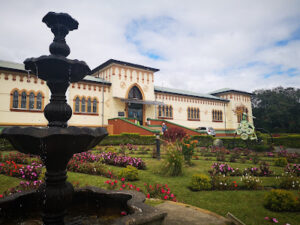
The Sakıp Sabancı Museum is much more than a mere museum—it is a cultural landmark that seamlessly interweaves art, history and natural beauty. Perched beside the Bosphorus with its lush gardens of over one hundred plant species, the museum offers peaceful contemplation and panoramic vistas that enhance the visitor experience .
From illuminating insights into Ottoman calligraphy, rich paintings and exquisite decorative arts, to immersive temporary exhibitions and a broad array of educational programs, the museum provides a compelling journey through centuries of cultural expression. Whether you are an avid art lover, a history enthusiast or simply in search of a serene retreat in Istanbul, the Sakıp Sabancı Museum invites you to explore, reflect and be inspired.
A visit here is not just a stroll through galleries—it is an encounter with Turkey’s artistic legacy, set against one of the city’s most beautiful natural backdrops.