The Friland Museum

Introduction
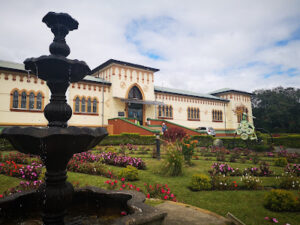
The Friland Museum, located in the charming town of Lyngby, Denmark, offers a fascinating glimpse into the country’s rural past. Set amidst lush natural surroundings, this open-air museum allows visitors to step back in time and experience Danish history firsthand. From historical buildings to immersive cultural experiences, the museum provides an unparalleled opportunity to explore how people lived, worked, and interacted with nature in centuries gone by. Whether you are a history enthusiast, a family looking for a fun day out, or a traveler seeking to understand Danish heritage, the Friland Museum promises an enriching and enjoyable experience for all.


About the Museum
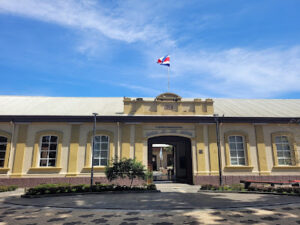
The Friland Museum is Denmark’s largest open-air museum, dedicated to preserving and showcasing the country’s rural heritage. The museum spans over 100 acres and is home to a diverse collection of historical buildings and exhibits. These structures have been carefully relocated from different parts of Denmark to offer a comprehensive view of the country’s cultural evolution, especially from the 1700s to the early 1900s. Visitors can wander through village streets, explore old farmhouses, and experience life as it was lived by the Danish people in earlier centuries.
What makes the Friland Museum truly unique is its focus on offering an interactive and hands-on experience. The museum is not just about observing artifacts behind glass; it is about stepping into the past. From trying your hand at old-fashioned crafts to enjoying traditional food and festivals, every visit provides a new way to engage with history. The museum’s staff, dressed in period costumes, play an important role in bringing these historical moments to life, often offering demonstrations of traditional skills like weaving, woodworking, and cooking. Additionally, visitors can explore thematic exhibitions that cover topics such as farming, craftsmanship, and rural life in Denmark.
Interesting Facts
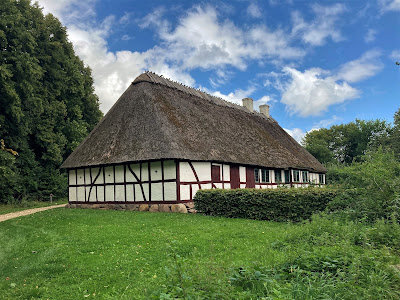
- Historical Buildings: The museum houses more than 50 buildings, all of which have been transported from their original locations across Denmark. These include farmhouses, barns, and windmills that showcase various periods of Danish rural life.
- Hands-On Experience: Visitors are encouraged to engage with the exhibits. You can try weaving, baking bread in a traditional oven, or even plowing the fields using old tools.
- Seasonal Events: Throughout the year, the museum organizes numerous events, including harvest festivals, traditional Christmas markets, and craft demonstrations that showcase Denmark’s seasonal rhythms and agricultural traditions.
- Environmental Sustainability: The museum itself follows sustainable practices, with many of the buildings powered by renewable energy sources, such as wind and solar power.
- Educational Programs: The Friland Museum offers educational programs for children and adults alike. These programs focus on the agricultural history of Denmark and teach the younger generation about sustainable farming practices.
- Period Costumes: The staff members wear authentic period costumes, creating an immersive experience that transports visitors directly into the past.
- Family Friendly: The museum is an ideal destination for families. It offers interactive workshops, nature walks, and activities that allow children to learn about history in an engaging and fun way.
Photo Gallery


Physical Location
Contact Details
Phone: +454 120 6455
Website: frilandsmuseet.dk/
Facebook: facebook.com/frilandsmuseet/
Conclusion
The Friland Museum offers more than just a visit—it offers an experience. Whether you are wandering through the recreated villages, learning about Denmark’s agricultural history, or participating in hands-on activities, every corner of the museum brings the past to life in vivid detail. With its beautiful natural setting, educational opportunities, and interactive exhibits, the Friland Museum is a must-see destination for anyone interested in Danish culture, history, and traditions. A visit to this unique museum not only enriches your understanding of Denmark’s past but also connects you to the timeless rhythms of rural life that have shaped the country over centuries.