Tokyo National Museum

Introduction
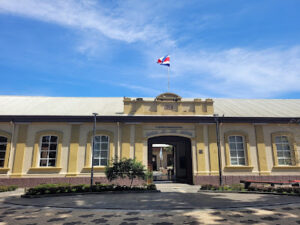
Nestled within the serene expanse of Ueno Park in Tokyo’s Taitō ward, the Tokyo National Museum stands as Japan’s oldest and most expansive art institution. Established in 1872, this esteemed museum offers visitors an unparalleled journey through the rich tapestry of Japanese and Asian art, history, and culture. Whether you’re an art aficionado, a history enthusiast, or a curious traveler, the Tokyo National Museum promises an enlightening and immersive experience.

About the Museum
The Tokyo National Museum boasts a vast collection of over 110,000 artifacts, including 89 designated National Treasures and 649 Important Cultural Properties. Its mission is to collect, preserve, and exhibit a comprehensive array of artworks and cultural objects from across Asia, with a particular emphasis on Japan’s ancient and medieval periods. The museum’s extensive holdings encompass a diverse range of mediums, from paintings and sculptures to textiles and archaeological finds.
The museum complex comprises several distinct buildings, each offering unique insights into different facets of Asian art and culture:
- Honkan (Japanese Gallery): This main building showcases the evolution of Japanese art from prehistoric times to the late 19th century. Visitors can explore exhibits featuring samurai armor, traditional kimonos, ukiyo-e woodblock prints, and more.
- Heiseikan: Home to special exhibitions and the Japanese Archaeology Gallery, Heiseikan delves into Japan’s ancient past, displaying artifacts such as Jōmon pottery and Kofun-period haniwa figures.
- Toyokan (Asian Gallery): This gallery presents a diverse collection of art and artifacts from across Asia, including Chinese bronzes, Korean ceramics, Indian sculptures, and Greco-Buddhist art from the Silk Road.
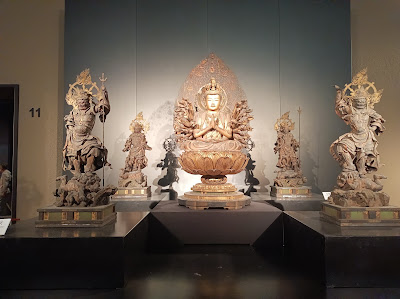
- Gallery of Horyuji Treasures: Housing relics from Nara’s Horyu-ji Temple, this gallery features Buddhist statues, ritual implements, and other sacred objects dating back to the 7th and 8th centuries.
- Kuroda Memorial Hall: Dedicated to the works of Kuroda Seiki, a pioneer of Western-style painting in Japan, this hall exhibits his oil paintings, sketches, and personal artifacts.
Beyond its exhibitions, the museum offers a tranquil garden, traditional teahouses, and various educational programs, providing visitors with a holistic cultural experience.
Interesting Facts
- Architectural Diversity: The museum’s buildings showcase a blend of architectural styles, from the Imperial Crown Style of the Honkan to the modern design of the Toyokan by architect Yoshirō Taniguchi.
- Seasonal Exhibitions: The museum regularly rotates its exhibits, aligning them with seasonal themes and ensuring that repeat visitors encounter new and engaging displays.
- Interactive Experiences: Visitors can participate in hands-on activities, such as creating postcards with traditional Japanese stamps, enhancing their connection to the exhibits.
- Educational Programs: The museum offers lectures, workshops, and guided tours, catering to a wide range of interests and age groups.
- Accessibility: Located near Ueno Station, the museum is easily accessible via public transportation, making it a convenient destination for both local and international visitors.
Photo Gallery


Physical Location
Contact Details
Phone: +81 50 5541 8600
Website: tnm.jp/?lang=en
Facebook: facebook.com/TokyoNationalMuseumIR/
Conclusion
The Tokyo National Museum serves as a gateway to understanding Japan’s rich cultural heritage and its connections to the broader Asian continent. Through its extensive collections, thoughtfully curated exhibitions, and engaging educational programs, the museum offers a comprehensive and immersive experience that resonates with visitors from all walks of life. Whether you’re delving into the intricacies of samurai armor, marveling at ancient Buddhist sculptures, or simply strolling through its peaceful gardens, a visit to the Tokyo National Museum is both enlightening and inspiring.