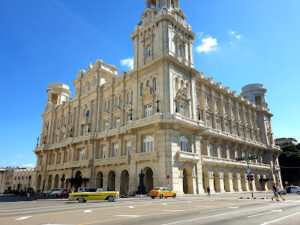
Uffizi Gallery

Introduction
Nestled in the heart of Florence, Italy, the Uffizi Gallery (Galleria degli Uffizi) stands as a beacon of Renaissance art and culture. Located adjacent to the historic Piazza della Signoria, this esteemed museum is one of the most visited in Italy and holds a prestigious position among the world’s leading art institutions. With its vast collection of masterpieces and rich history, the Uffizi offers an unparalleled experience for art enthusiasts and casual visitors alike.
About the Museum
The Uffizi Gallery was established in 1581, originally conceived by Giorgio Vasari for Cosimo I de’ Medici to house administrative offices—hence the name “Uffizi,” meaning “offices” in Italian. Over time, the building transformed into a repository for the Medici family’s extensive art collection. In 1769, it was officially opened to the public, making it one of the earliest modern museums.
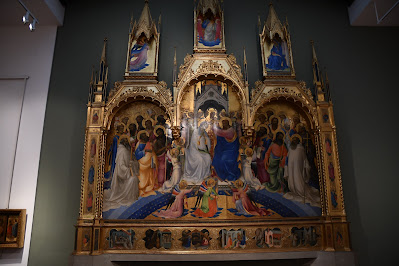
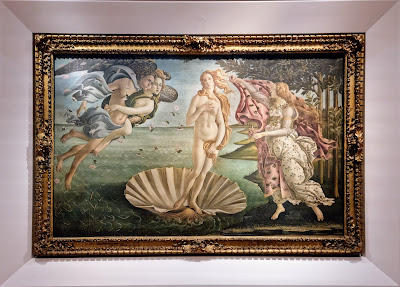
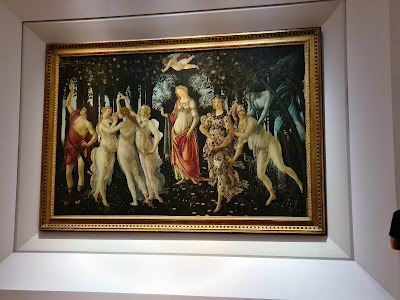
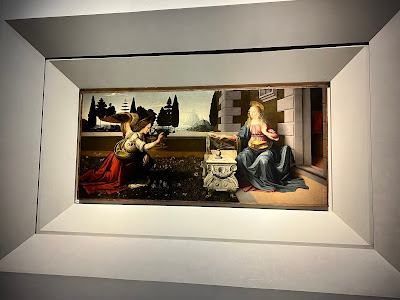
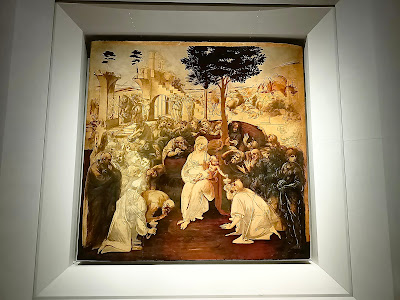
Visitors to the Uffizi can explore a chronological journey through art history, with rooms dedicated to various periods and styles. The museum boasts an impressive array of works from the 13th to the 18th centuries, featuring renowned artists such as Giotto, Leonardo da Vinci, Michelangelo, Raphael, Titian, and Caravaggio. One of the highlights is the Tribuna degli Uffizi, an octagonal room designed to showcase the most prized pieces of the collection. Additionally, the recently reopened Vasari Corridor offers a unique passageway connecting the Uffizi to the Palazzo Pitti, providing visitors with a glimpse into the Medici’s private world.
Interesting Facts
- Medici Legacy: The Uffizi’s collection was significantly enriched by the Medici family, particularly through the efforts of Anna Maria Luisa de’ Medici, who bequeathed the family’s art treasures to Florence under the condition they remain united and accessible to the public.
- Architectural Marvel: The Uffizi’s design, with its long, narrow courtyard open to the Arno River, is considered the first regularized streetscape in Europe, showcasing Vasari’s architectural ingenuity.
- Giovio Series: The museum houses the Giovio Series, a collection of 484 portraits assembled by historian Paolo Giovio, featuring notable figures from various fields, including rulers, poets, and philosophers.
- Modern Initiatives: The Uffizi has embraced digital technology, offering high-resolution images of its masterpieces online, allowing global audiences to appreciate the art in remarkable detail.
- Uffizi Diffusi Project: In an effort to decentralize its vast collection, the Uffizi has launched the Uffizi Diffusi initiative, displaying artworks in various locations across Tuscany, thereby promoting cultural heritage throughout the region.
Photo Gallery
Physical Location
Contact Details
Phone: +39 055 294 883
Website: uffizi.it/en/the-uffizi
Facebook: facebook.com/uffizigalleries/
Conclusion
The Uffizi Gallery stands as a testament to Florence’s rich artistic heritage and the enduring legacy of the Renaissance. Its extensive collection, historical significance, and ongoing efforts to make art accessible to all solidify its status as a must-visit destination for anyone traveling to Italy. Whether you’re an art connoisseur or a curious traveler, the Uffizi offers an inspiring journey through the masterpieces that have shaped the course of art history.