Belarusian State Museum of the History of the Great Patriotic War
Introduction
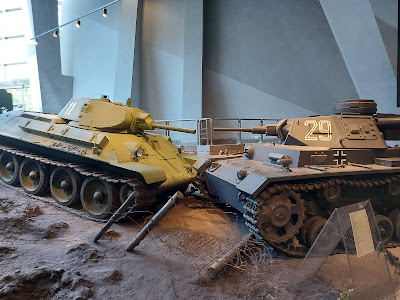
The Belarusian State Museum of the History of the Great Patriotic War, located on Victors Avenue 8 in Minsk, Belarus, stands as a compelling tribute to the courage, sacrifice, and resilience of the Belarusian people during the period known in Belarus as the Great Patriotic War. This museum, located at the heart of the city, offers visitors a vivid and immersive journey through one of the most significant chapters in Belarusian and world history. With its striking modern architecture beside the Minsk Hero City Obelisk and its rich exhibitions, the museum is a destination that educates, inspires, and commemorates.

About the Museum
Established in 1944—making it the first museum in the world dedicated to the history of the Great Patriotic War—the museum began during the occupation years and opened to the public in Minsk shortly after liberation. Today it occupies a modern building, inaugurated in July 2014, designed by architect Viktor Kramarenko. The building’s striking form—with a façade symbolizing victory rays—complements the adjacent Hero City Obelisk, together forming a powerful memorial ensemble.
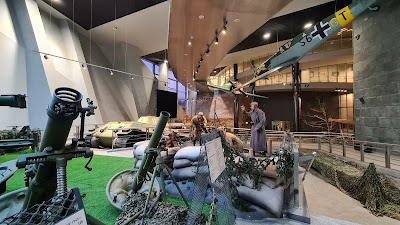
Covering more than 15 000 square metres, including approximately 4 000 square metres of exhibition space, the museum brings together over 140 000 historical items in around 28 collections, of which about 8 000 are on display in its ten thematic halls.
Visitors progress through a chronological and deeply human narrative:
- The pre‑war period, including peace and the global context before Soviet involvement;
- The early war years, covering defensive battles such as Smolensk and Moscow;
- A period of radical change, highlighting the Soviet rear and how society mobilised;
- The Nazi occupation in Belarus, documenting atrocities and civilian suffering;
- The Belarusian partisan movement and the European resistance from 1941 to 1945;
- The liberation of Belarus and the defeat of Germany and Japan;
- Post‑war rebuilding from 1944 to 1950 and the evolution of memory;
- And finally, the Hall of Victory—also called “Heirs of the Great Victory”—anchoring the meaning of that triumph for future generations.
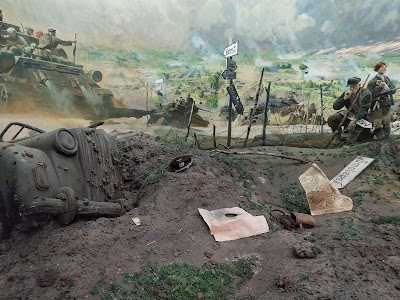
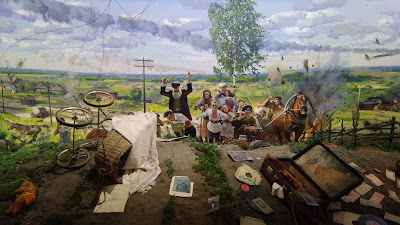
Modern multimedia and immersive technology are woven throughout the exhibitions. Visitors can experience holographic 3D installations, fog‑screen effects, spherical screens, and interactive kiosks with documents and photographs. These features support a compelling, educational, and emotionally resonant journey through wartime history.
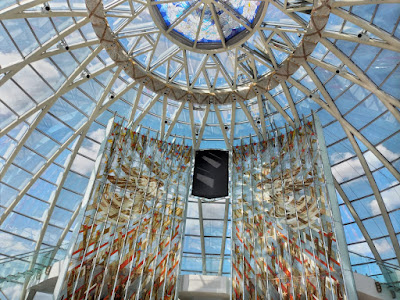
A highlight is the Hall of Victory, modelled on the glass dome of the Berlin Reichstag where the original Victory Banner was raised in 1945. Under the transparent dome, the Belarusian flag now flies, and visitors enjoy panoramic views of Minsk, the Svisloch River, and Victory Park.
Interesting Facts
- First museum of its kind: It was the first museum anywhere created during the war years and opened to the public in October 1944, even before the end of hostilities in Belarus.
- Vast collection: Over 140 000 historical items are held in archive; roughly 8 000 are exhibited across ten thematic halls.
- Rare partisan journals and handmade weapons: Manuscript guerrilla magazines and homemade partisan weapons are considered cultural–historical treasures and are included in the national heritage list.
- Symbolic architecture: The exterior is designed in four blocks—one for each year of the war—linked by the central Victory Hall, with the façade resembling fireworks or salute rays embracing ten key events.
- Memorial complex setting: The museum is on “Heroes’ Hill” beside the Minsk Hero City Obelisk—a 45‑metre monument celebrating Minsk’s 1974 designation as a “Hero City” for its resistance during Nazi occupation.
Photo Gallery
Physical Location
Contact Details
Phone: +37517 304 1166
Website: warmuseum.by/en/
Facebook: facebook.com/warmuseumby
Conclusion
The Belarusian State Museum of the History of the Great Patriotic War offers a compelling and moving experience for any visitor to Minsk. The combination of authentic artifacts, deeply human stories, and modern interactive presentation makes it both an educational and emotional journey. The museum’s galleries, from the tragic occupation to the heroism of the partisan fighters, and finally to a triumphal memorial under a dome echoing the Reichstag glass cupola, ensure a memorable visit.
Beyond exhibits, the site itself—with its architecture, location next to the Hero City Obelisk, and views of Victory Park and the Svisloch River—makes for a powerful and reflective environment. Whether you come to learn, to remember, or to be inspired, this museum stands as a moving testament to Belarus’s wartime sacrifice and enduring spirit.
Visitors planning a trip to Minsk should include this museum high on their list. It is not only the most visited museum in Belarus but a living vessel of collective national memory and a place where peace, remembrance, and hope continue to resonate.