Inquisitor’s Palace

Introduction
The Inquisitor’s Palace, located on Main Gate Street in Vittoriosa (Birgu), Malta, is a fascinating heritage site that seamlessly blends architectural splendour with compelling historical narratives. This site, originally built in the 1530s, served for over two centuries as the seat of the Roman Inquisition in Malta before evolving into a vibrant museum. Nestled within the fortified Three Cities, the palace invites visitors on a journey through time—offering an immersive, thought‑provoking experience at the crossroads of power, religion, and daily life.
About the Museum
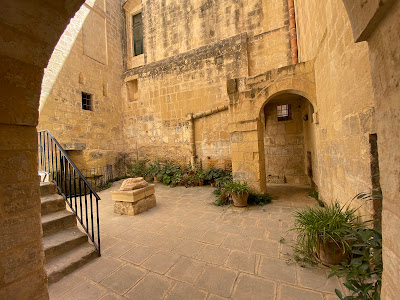
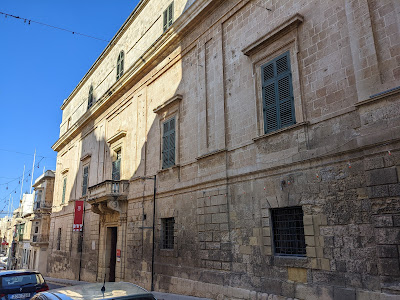
The building that houses the Inquisitor’s Palace began its life in the 1530s as the Magna Curia Castellania Melitensis, the main civil tribunal under the Order of St John, before transforming into the inquisitorial headquarters in 1574. Pietro Dusina, Malta’s first inquisitor, took residence here, affording the site its enduring name. Over the centuries, successive inquisitors expanded the structure and introduced ornate Baroque elements—including the grand façade, majestic staircase, and lavish private quarters—especially after major renovations following the devastation of the 1693 earthquake.
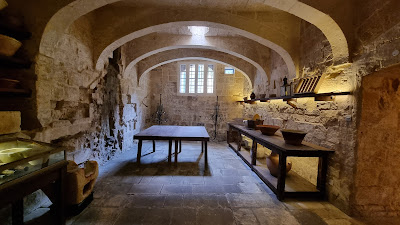
Today, the palace functions as both a historic house museum and the National Museum of Ethnography, managed by Heritage Malta. Each visit unfolds in three key sections: the ground‑floor domestic kitchens; the elegant piano nobile with official halls, private apartments, and a chapel; and the unsettling Holy Office suite, which contains the tribunal chamber, torture chamber, and prison cells. Throughout these spaces, the museum thoughtfully interprets not only the institutional power wielded by the Inquisition but also its profound local social and cultural impacts.
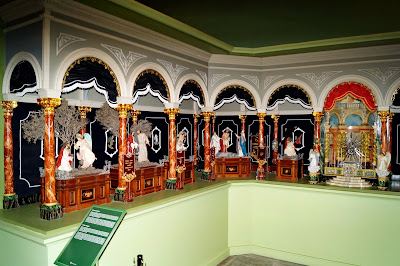
The museum also hosts a changing roster of temporary exhibitions and educational events. Recent highlights include “Betrayal and Vengeance”, which examines the 1749 slave conspiracy through restored historical drawings, and “Fare Convito”, which explores banquet culture in Baroque‑era Malta through ceramics and display artefacts.
Interesting Facts
- Original courthouse turned inquisitorial palace: Built around 1530 and used as a tribunal until 1572, it was then repurposed for Pietro Dusina as the seat of the Inquisition.
- Rare surviving inquisitorial palace: One of the very few such palaces still standing worldwide, and the only one open for public visitation.
- Architectural masterpieces: Features a richly frescoed grand staircase constructed in 1733, the only remaining Gothic‑style cloister from the earlier tribunal, and a striking Baroque façade added in 1660 .
- Prison graffiti reveals hidden stories: Basic cells contain prisoner etchings—ships, handprints, crosses, prayers—offering intimate glimpses into past lives.
- Dramatic exhibitions: “Betrayal and Vengeance” tells the tale of the 1749 slave revolt through historical drawings, while “Fare Convito” examines the role of banqueting in the politics and culture of Baroque Malta.
Photo Gallery
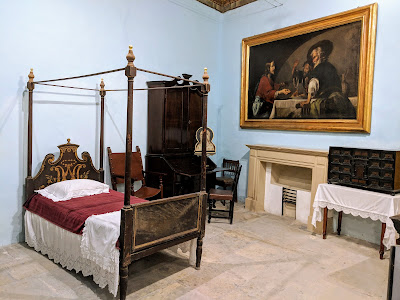
Physical Location
Contact Details
Phone: +3562 182 7006
Website: heritagemalta.mt/explore/the-inquisitors-palace/
Facebook: facebook.com/HeritageMalta/
Conclusion
The Inquisitor’s Palace stands as a powerful testament to Malta’s layered history—from its roots as a civil court to its dark chapter under the Inquisition, and its re‑birth as a centre for education, ethnography, and cultural dialogue. Walking through its grand halls, austere courtrooms, private suites, and somber cells, visitors encounter the complex interplay of authority, spirituality, human resilience, and everyday life in early modern Malta.
Whether you are drawn by architectural beauty, historical depth, or immersive storytelling, the palace offers an enriching and memorable experience in an incomparable setting. Engage with the dynamic exhibitions, explore hidden graffiti, and reflect on the building’s transformation over centuries. The Inquisitor’s Palace is not only an architectural gem but a living narrative—one that continues to resonate with relevance and curiosity. A visit here is both a journey through Malta’s past and a thoughtful exploration of cultural legacy.