Instituto Ricardo Brennand

Introduction
Instituto Ricardo Brennand, located in Recife in the state of Pernambuco, Brazil, is a remarkable cultural institution that delights visitors with its extraordinary collections and enchanting setting. Nestled in the historic Várzea neighborhood on the grounds of the former Engenho São João, it offers a captivating journey through time—from medieval armory to Dutch colonial art. This unique cultural complex invites visitors to wander through its splendid castle-like architecture, explore lush gardens, and immerse themselves in the rich tapestry of art, history, and education.


About the Museum
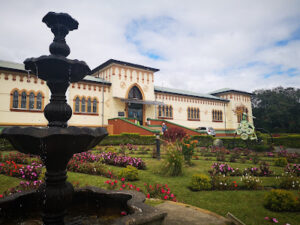
Instituto Ricardo Brennand is a nonprofit institution founded in 2002 by the collector and entrepreneur Ricardo Brennand to preserve and share his private collection with the public. The museum complex is designed in a Tudor or Gothic‑inspired style and occupies an expansive area exceeding seventy‑seven thousand square metres, set amidst preserved Atlantic Forest and gardens that enhance its architectural beauty.
The complex comprises several key components:
- Museu Castelo São João—also known as the museum of white arms—houses one of the largest private collections of melee weapons in the world, with over three thousand pieces, including full plate armours, weapons of warfare, hunting instruments, and curiosities such as armours for dogs and horses dating from the fourteenth to the seventeenth centuries.
- Pinacoteca—one of Brazil’s most technologically advanced art galleries—exhibits paintings that range from the Dutch colonial period to Brazilian landscapes of the nineteenth century. It features the world’s largest collection of works by Frans Post—fifteen paintings that account for about ten percent of his known output—as well as exhibitions such as “The Dutch Brazil of Frans Post” and “Brazilian Nineteenth‑Century Landscapes”.
- Library—with over sixty thousand volumes, the library holds rare editions and materials focused on colonial Brazilian history, the Dutch period, brasiliana, maps, manuscripts, religious and historic documents, many dating from the sixteenth to the twentieth century.
- Gallery for Temporary Exhibitions—opened in 2011, this space accommodates itinerant national and international exhibitions as well as events. It features architectural highlights such as marble sculptures representing the four seasons, a bronze patinated replica of Auguste Rodin’s The Thinker (authenticated by Maison Rodin) and elaborate stained‑glass windows bearing the Brennand family coat of arms.
- Sculpture Garden and Park—surrounding the structures is a vast sculptural park, which includes scaled replicas or originals of works such as The Thinker by Rodin, The Lady and the Horse by Fernando Botero, and sculptures by Sonia Ebling and Leopoldo Martins set amidst ponds and greenery.
- Chapel Nossa Senhora das Graças—a small Gothic‑style chapel integrated into the complex, where masses are held on the first and third Sundays of each month.
- Restaurant Castelus—within the museum grounds, visitors can enjoy regional gourmet cuisine crafted by chef Marie França in a refined dining space.
Instituto Ricardo Brennand is also dedicated to education and cultural outreach. Its educational sector, launched alongside the museum’s opening in September 2002, offers guided tours, workshops for children and youth, teacher training, story‑telling sessions, and art‑mediated programs that engage a broad public in creative learning experiences.
Interesting Facts
- Largest Frans Post collection worldwide: The museum holds fifteen paintings by Frans Post, representing about ten percent of his total output and spanning all stages of his career.
- One of the largest private melee‑arms collections: More than three thousand pieces from Europe and Asia, including twenty‑seven full plate armours and unique items such as armours for dogs and horses.
- Deep layers of historical treasure in the library: Boasts over sixty thousand items—including rare works from the sixteenth and seventeenth centuries like manuscripts by Jean de Léry, Theodor de Bry, Willem Piso with Georg Marcgrave, and Caspar Barlaeus.
- Enchanting castle architecture: Built in Tudor‑inspired style with decorative elements such as a drawbridge, coats of arms, Gothic altarpiece, and meticulous attention to historical detail.
- Multidimensional cultural experience: Beyond exhibitions, the site includes a sculpture garden, chapel, restaurant, auditorium, and a gallery designed to host prominent events and exhibitions.
- Highly acclaimed: Recognized as the most visited museum in the North‑Northeast region of Brazil and among the ten most visited museums nationally; formerly awarded the best museum in South America by TripAdvisor.
Photo Gallery


Physical Location
Contact Details
Phone: +55 812 121 0365
Website: institutoricardobrennand.org.br/
Facebook: facebook.com/institutorb/
Conclusion
Instituto Ricardo Brennand offers visitors a rare and richly rewarding experience that blends art, history, nature, and architectural splendor. Whether you arrive enthralled by medieval weaponry, moved by Dutch colonial paintings, drawn to the serenity of sculpture‑filled gardens, or simply charmed by the grandeur of its castle‑like buildings, you will find the museum both inspiring and enlightening.
More than just a repository of objects, it stands as a tribute to cultural memory—where European, Brazilian, and global histories converse. The institute’s educational initiatives deepen this engagement, ensuring that every visit sparks curiosity and a renewed appreciation for the past.
For anyone visiting Recife, a visit to Instituto Ricardo Brennand is not merely advisable—it is essential. It presents a journey through centuries of human expression, creativity, and heritage, all set within one of Brazil’s most majestic cultural landscapes.