Lelu Island

Introduction
The Lelu Museum, located on Lelu Island in the Federated States of Micronesia, offers a captivating glimpse into one of the great ancient capitals of eastern Micronesia. The museum sits near the archaeological ruins of Lelu, which are found on a small island connected to the main island of Kosrae by a causeway. Potential visitors will find a delightful combination of immersive history, archaeological insight, and natural beauty in this remote tropical setting.


About the Museum
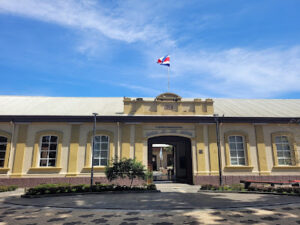
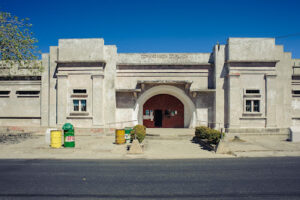
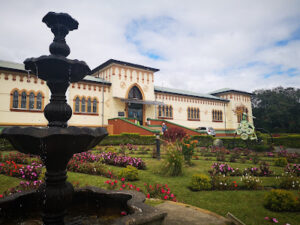
The museum is housed in an older cement warehouse near Lelu Village, serving as a visitor centre for the renowned ruins. Inside, visitors can view archaeological photographs, maps, charts, and display panels that document the rise and decline of the ancient city of Leluh. The exhibits include artefacts such as fragments of basalt, giant clam shell objects, and explanatory information describing the city’s construction and social organisation.
While the ruins themselves lie hidden behind thick tropical vegetation just a few minutes’ walk from the village huts and roads, the museum provides essential background that enhances an on‑site exploration. Informational signs placed around the archaeological site complement the indoor displays and allow visitors to follow the full narrative of the city’s past.
Interesting Facts
- The city of Leluh was built on Lelu Island between the thirteenth and fourteenth centuries as a capital for Kosraean royalty.
- The ruins include compounds for high chiefs, two royal burial mounds, sacred enclosures, ceremonial houses, extensive walls and pounding stones used in sakau preparation.
- Many of the city walls are constructed from massive hexagonal basalt blocks stacked much like giant Lincoln logs, with some reaching heights of about twenty feet.
- Two notable royal saru burial mounds—Insaru and Inol—feature truncated pyramid structures made from coral. These were built as temporary tombs used during royal funerals before eventual burial at sea.
- Visitors can climb Lelu Hill nearby, which offers sweeping views over the ruins and harbour. That vantage point also reveals old tunnels and caves that were used by Japanese forces during the Second World War.
- Along the causeway and nearby shoreline, visitors can find good snorkelling spots and a swimming hole. There is also an aquaculture centre that raises giant clams, offering a glimpse of marine conservation efforts.
Photo Gallery


Physical Location
Contact Details
Website: lonelyplanet.com/federated-states-of-micronesia/attractions/lelu-ruins/a/poi-sig/1022550/362580
Conclusion
The Lelu Museum offers much more than a simple display of artefacts. It serves as a doorway into the story of an extraordinary ancient capital—the coral city of Leluh. By combining detailed exhibits with access to the archaeological site, the museum deepens visitors’ appreciation for the craftsmanship, social structure, and spiritual traditions of Kosraean society.
For those seeking immersive history in an atmospheric and lush tropical setting, a visit to the museum followed by a wander through the ruins is deeply rewarding. The combination of architectural wonder, natural beauty, and a thoughtful curator centre makes this destination a highlight for anyone exploring Micronesia.