Stone Money
Introduction
The Yap Living History Museum, located in Colonia, on the island of Yap in the Federated States of Micronesia, offers a fascinating insight into the extraordinary tradition of stone money, known locally as Rai. This museum tells the story of one of the world’s most unique currencies and the cultural heritage that surrounds it.
About the Museum
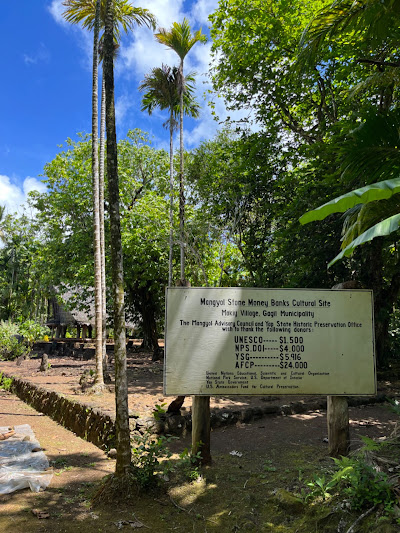
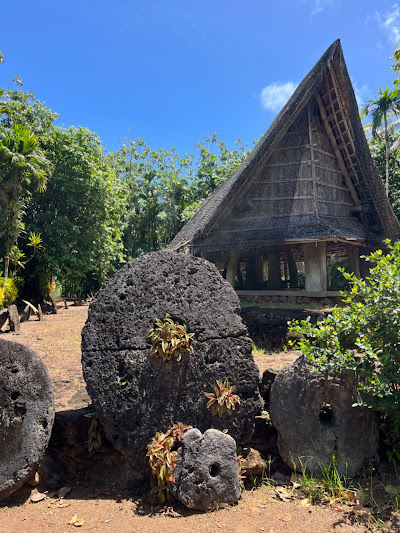
The museum was established in 2005 to preserve and promote Yapese heritage and history through immersive exhibits and demonstrations. It features several traditionally built structures, including a men’s house (called a faluw) and a community meeting house (or p’ebay), where visitors can learn ancient skills like canoe building, carving, and oral storytelling.
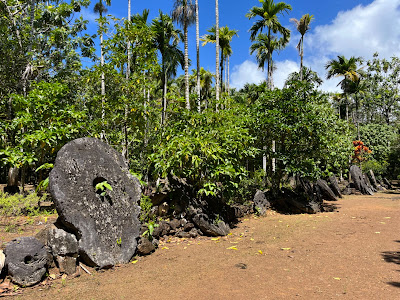
Within the museum grounds there is an impressive display of stone money, arranged as visitors would find them in villages—around meetinghouses or on stone platforms. This display allows guests to view a variety of Rai stones of different sizes and to understand the craft, artistry, and cultural significance behind each one.
The museum also hosts community and cultural events such as monthly island markets and traditional demonstrations like the Stone Money Carry, where local men reenact the ritual of transporting and presenting these heavy discs. These events help bring to life the ceremonies associated with Rai and showcase Yapese traditions in action.
Interesting Facts
- Rai stones range widely in size, from just a few inches in diameter to massive discs up to four metres (or even more) across, with the largest weighing several tonnes.
- Ownership is recorded orally: when a Rai changes hands, the actual stone typically remains in place. Ownership is transferred through community acknowledgement and oral tradition rather than physical movement.
- Many stones were quarried in Palau, roughly four hundred kilometres from Yap. These voyages were dangerous and required skilled navigation and labor. Stones that caused loss of life or hardship in their journey were often considered more valuable.
- The Rai stones remain socially significant: while the United States dollar is now used for daily transactions, Rai are still used for important exchanges such as dowries, land transactions, and to settle disputes.
- Yap Living History Museum cultivates cultural continuity through its architecture, exhibits, and events, making it both a cultural centre and an active learning space.
Photo Gallery

Physical Location
Contact Details
Website: whc.unesco.org/en/tentativelists/1994/
Conclusion
For any visitor curious about ancient economies, cultural anthropology, or still-living traditions, the Yap Living History Museum is an inspiring destination. Situated in Colonia on the island of Yap, the museum provides direct access to centuries‑old traditions through its displays of Rai stones and its living cultural programming.
By exploring traditional buildings, attending village-style ceremonies, and learning about the remarkable journeys these stones once made, visitors gain a deep appreciation for how the Yapese people have sustained their identity and customs over millennia. The museum not only preserves a unique form of currency but also offers a window into the social fabric of Yap, where every Rai stone tells a story.
A visit to this museum is more than sightseeing—it is an opportunity to experience a vibrant, living heritage and to witness how communities continue to honour traditions that are both economy and ceremony.