Nan Madol

Introduction
The Nan Madol Museum, located on the island of Pohnpei in the Federated States of Micronesia, offers visitors an extraordinary window into the ancient ceremonial capital of the Saudeleur dynasty. Nestled alongside the spectacular basalt ruins rising from a coastal lagoon, the museum presents the rich cultural and historical heritage of Nan Madol. It guides visitors through the story of how this remarkable city—often called the “Venice of Micronesia”—was built, used, and later abandoned, and it shares insights into the engineering feats and legends that surround it.


About the Museum
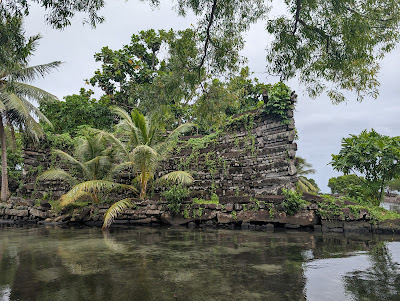
The museum is dedicated to preserving and interpreting the archaeological site of Nan Madol, which sits across ninety‑two artificial islets constructed from basalt and coral fill. These islets form a labyrinth of narrow waterways that gives the appearance of canals between over ninety small man‑made islands. The museum’s exhibits explore the architectural techniques used to build imposing walls—some reaching sixteen metres high—and the transportation of basalt blocks, some weighing up to fifty tonnes, from quarry sites across Pohnpei.
Visitors learn about the ceremonial and political functions of Nan Madol as the centre of power for the Saudeleur dynasty from around 1200 AD until about 1628 AD. The museum provides context on the division of the site into distinct sectors: Madol Powe, the mortuary and priestly quarter, and Madol Pah, the administrative and residential sector.
Through artefacts, oral history recordings, maps and interpretive displays, the museum interprets ties between legend and archaeology—such as the Pohnpeian account of twin sorcerers who, according to myth, moved the massive stones using magical aid, alongside scientific explanations about raft transport and log ramps. The museum also addresses the ongoing challenges of preserving the site—threats from coastal erosion, rising sea levels, encroaching vegetation, and the complex jurisdiction of private ownership by local lineages.
Interesting Facts
- Nan Madol is built atop ninety‑two artificial islets, stretching nearly one mile in length and half a mile in width.
- The name Nan Madol means “within the intervals” and refers to the network of tidal canals threading between each islet.
- Some basalt pillars used at the site weigh up to fifty tonnes, though heavier stones may also have been used; there may be as many as seventy‑five thousand tonnes of basalt across the complex.
- The largest structure, the Nandauwas mortuary complex, features walls up to 25 feet (about eight metres) high, enclosing royal tombs.
- The site served as the religious and political capital of up to a thousand residents, though most inhabitants were commoners living in service to the ruling elite.
- Archaeological evidence supports Pohnpeian oral traditions—for example, canals linked to the sea allowed sacred eels entry to islets such as Idehd, where turtle remains have been found, matching ritual accounts.
Photo Gallery


Physical Location
Contact Details
Phone: +691 320 4851
Website: nan-madol.com/
Facebook: facebook.com/pages/Nan%20Madol/104038126299614/#
Conclusion
Visiting the Nan Madol Museum is a compelling adventure for anyone interested in ancient civilization, archaeological mystery, and Pacific Island culture. The museum offers a thoughtful and positive presentation of the site’s remarkable engineering, spiritual significance, and historical legacy. Through its displays and guided interpretation, visitors come to understand both the myths and the material realities behind the ruins that persist today.
The museum not only illuminates the grandeur and sophistication of an ancient city built along a lagoon but also highlights the ongoing story of preservation—challenging conditions, climate impacts, and the need for collaboration between local communities, national authorities, and international heritage organizations. For potential visitors, the Nan Madol Museum provides both inspiration and context, making the experience of exploring the ruins far richer and more meaningful.
A visit here is more than a tour of stones and canals—it is a journey into the past of a ceremonial capital that still holds profound cultural and archaeological significance in the present.