Mevlana Müzesi

Introduction
The Mevlana Museum, located in Konya, in central Turkey, is the former dervish lodge turned shrine of the 13th‑century Sufi mystic and poet Jalal ad‑Din Muhammad Rumi, often known by the honorific “Mevlana.” It sits at the heart of Karatay district, where Rumi spent much of his life and where his teachings have continued to inspire millions worldwide. This serene and spiritually charged complex not only commemorates Mevlana’s legacy, but also invites visitors from across the globe to experience his timeless message of love, unity, and understanding.


About the Museum
The museum complex began as the Mevlevi dervish lodge (tekke), with its most ancient surviving structure being Mevlana’s original mausoleum, built shortly after his death in 1273. The iconic turquoise‑tiled dome, known as the “Green Dome,” was constructed in 1274 under Seljuk patronage.
Today, the museum encompasses several key areas:
- The mausoleum, housing the decorated sarcophagus of Mevlana under the Green Dome, along with those of his father, son, wife, and early disciples; the tomb coverings were enhanced by Sultan Abdul Hamid II in 1894.
- The semâhane, or ritual hall, once the stage for the whirling dervish ceremonies. Inside are musical instruments, clothing, illuminated Qurans, and manuscripts, including early copies of the Diwan‑e Shams and Masnavi.
- The dervish cells, once simple living quarters for Mevlevi initiates. Today, they house personal artifacts, calligraphy, books, and instruments that trace the daily life of these practitioners.
- A magnificent library, originating in the mid‑19th century, containing thousands of manuscripts from the Seljuk to Ottoman periods. One official source reports 2 756 volumes and more than four thousand manuscripts.
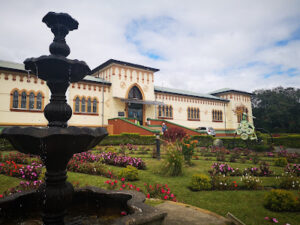
- A peaceful courtyard garden, featuring rose beds, fountains, and the ablution fountain built under Sultan Selim I, providing a contemplative atmosphere for visitors.
Declared a public museum in 1927 and officially renamed in 1954, the Mevlana Museum operates under the Turkish Ministry of Culture and Tourism.
Interesting Facts
- Visitors set a record in 2024, with over 3 million people coming to pay homage or explore the museum’s rich historical and spiritual collections.
- The museum is adjacent to an active celebration of Şeb‑i Arus, the “Night of Union” commemorating Mevlana’s passing (December 17), marked by poetic recitals, music, and whirling dervish ceremonies.
- The Green Dome, or “Kubbe‑i Hadra,” was originally built in 1274 and later renovated under Ottoman rule; it is perhaps the most recognizable symbol of Konya.
- The museum’s treasured “ark” sarcophagus, constructed in 1274 from carved walnut, bears intricate inscriptions from Rumi’s own works and is considered a priceless example of Seljuk artistry.
- Among the manuscripts on display is a Diwan‑e Shams from 1366 and two Masnavis from the late 13th and 14th centuries, preserved in a space that once chanted Qurʾanic recitations.
Photo Gallery


Physical Location
Contact Details
Phone: +90332 351 1215
Website: mevlanamuzesi.com/
Facebook: facebook.com/mevlanamuze/
Conclusion
The Mevlana Museum offers far more than a wealth of historical artifacts—it is a living testament to the enduring spirit and teachings of Rumi. Whether strolling through fragrant gardens, admiring the intricate artistry of Seljuk and Ottoman craftsmanship, or pausing in reflection at Mevlana’s tomb, visitors encounter a profound sense of peace and connection. Guided tours and audio‑visual exhibits provide context to the Mevlevi Order’s philosophy, enriching the experience further. A visit here is not just a tour through time, but a journey into the heart of spiritual unity and cultural heritage. For anyone seeking beauty, inspiration, and a deeper appreciation of human solidarity through the ages, the Mevlana Museum in Konya stands as an unforgettable and uplifting destination.