Museo Evita
Introduction
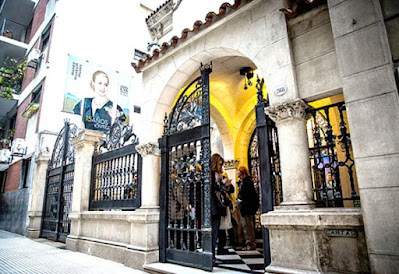
The Museo Evita, located in the vibrant Palermo neighbourhood of Buenos Aires, Argentina, offers visitors an immersive experience into the life and enduring legacy of María Eva Duarte de Perón, affectionately known as Evita. Housed in the elegant Carabassa Building at 2988 Lafinur Street, the museum combines historical architecture, heartfelt narratives, and rich collections to bring to life the story of one of Argentina’s most influential figures. Whether you are a history lover, a culture enthusiast, or simply a curious traveller, the Museo Evita promises an inspiring and memorable journey.


About the Museum
The Museo Evita was inaugurated in July 2002, commemorating the fiftieth anniversary of Evita’s passing. The building in which it is located—known as Casa Carabassa—is a beautiful early‑twentieth‑century Spanish Colonial or hispanizing structure designed by architect Estanislao Pirovano. Originally built as a private residence for the Carabassa banking family, the building was acquired in 1948 by Evita’s social foundation and used as a temporary shelter for women and children in need.
Inside, the museum offers a powerful narrative through its permanent exhibition spaces. Visitors begin their journey in rooms dedicated to Evita’s early years—her childhood in Los Toldos and her ascent from actress to national figure. The exhibits then move into her political prominence: her relationship with President Juan Domingo Perón, her pioneering work for women’s suffrage, and her leadership of the Eva Perón Foundation.
A highlight of the collection is the identity document that allowed Evita to vote—the first ever issued to a woman in Argentina—symbolising her crucial role in securing women’s rights. Also on display are garments she wore, including a gown she wore when meeting Pope Pius XII in Rome in 1947 and everyday tailored suits—many items donated by her family or preserved by individuals during years of suppression.
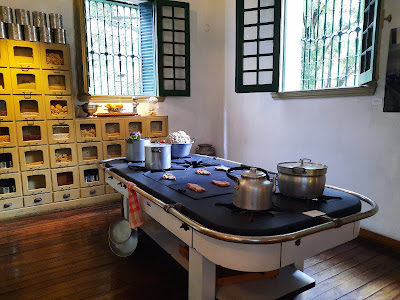
Beyond these significant pieces, the museum also houses everyday objects, photographs, original documents, magazines, sewing machines, toys, calendars, and more—creating a vivid, multifaceted portrait of both Evita’s public and private life.
The Museo Evita is dynamic in nature. Guides often describe it as a “living museum,” with its permanent exhibits updated annually and rotating temporary exhibits (including art shows, conferences, and thematic presentations) every two to three months.
Visitors can also explore the museum’s library and archives, managed by the Eva Perón National Institute of Historical Research (INIHEP). The museum includes a boutique for souvenirs and a Restaurant‑Bar where visitors may relax amid café charm or enjoy a meal in the heated patio—making a visit both enriching and comfortable.
Interesting Facts
- The Museo Evita is located in Casa Carabassa, a historic mansion originally built in 1923 and later repurposed by the Eva Perón Foundation as a transit home for women and children.
- The permanent exhibition showcases Evita’s personal garments—such as the gown from her 1947 Rome visit—and other personal items donated by her family or hidden during the dictatorship.
- Visitors can see Evita’s national ID card—the first one issued to a woman in Argentina—which symbolises the historic achievement of female suffrage.
- The museum describes itself as a “living museum,” with changing permanent exhibits each year and temporary exhibitions rotated every two to three months.
- It houses INIHEP—the Eva Perón Institute of Historical Research—offering a public library and archival access alongside the museum displays.
- Guests can enjoy a museum boutique and dine at the on‑site Restaurant‑Bar, which includes a charming, heated patio suitable for all seasons.
Photo Gallery


Physical Location
Contact Details
Phone: +54114 809 3168
Website: museoevita.org.ar/
Facebook: facebook.com/museoevita
Conclusion
The Museo Evita is more than a collection of objects—it is a heartfelt celebration of the life, values, and legacy of Evita Perón. Set within the elegant Casa Carabassa in Palermo, the museum invites visitors to walk through history, from her humble beginnings to her transformation into an enduring symbol of social justice in Argentina. With its changing exhibits, thoughtful storytelling, personal artefacts, and peaceful café atmosphere, the museum offers both education and emotion, making each visit uniquely resonant. Whether you are passionate about politics, fascinated by fashion and memorabilia, or simply seeking meaningful cultural experiences, the Museo Evita warmly welcomes you to explore and feel inspired.