Museo Maritimo y del Presidio de Ushuaia

Introduction
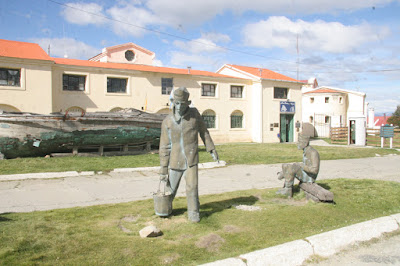
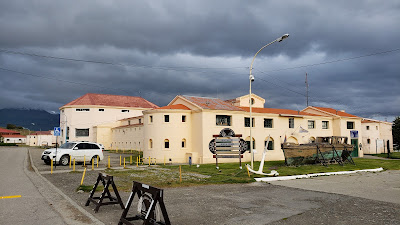
The Museo Marítimo y del Presidio de Ushuaia, situated at 199–299 Yaganes Street in Ushuaia, Tierra del Fuego, Argentina, invites every visitor into a captivating world where history, maritime legacy, and human stories intertwine. Located in what was once the “Prison at the End of the World,” this museum offers a rich and immersive experience. As you step inside, you begin to discover how the rugged geography and complex past of Ushuaia shaped the lives of indigenous peoples, explorers, prisoners, and pioneers.

About the Museum
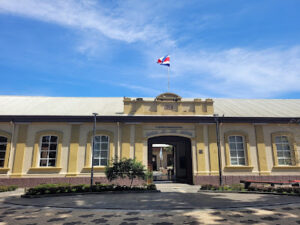
Housed in the former prison facility that once stood as one of the world’s most southern, most feared penal institutions, the Museo Marítimo y del Presidio de Ushuaia provides a unique, deeply educational environment in which visitors experience multiple dimensions of regional history.
The museum complex comprises several distinct but interrelated exhibitions. First, the Maritime Museum traces the nautical evolution of the region—from the expeditions of Magellan through the lives and culture of the Yagán people, and on to daring gold seekers, sea‑lion hunters, estancia settlers, and early maritime pioneers.
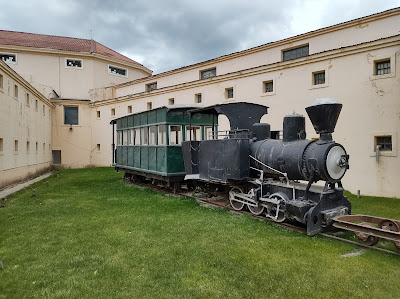
Adjacent to it, the Prison Museum chronicles the era when Ushuaia’s geographic isolation made it an ideal and ominous site for Argentina’s most remote penitentiary, operational until 1947. Visitors encounter stories of the most notorious inmates, as well as the historic prison train that once carried prisoners across harsh, windswept terrain.
Elsewhere, the Antarctic Museum showcases a remarkable collection of scale models from legendary Antarctic expeditions, along with exhibits featuring whale‑hunters, Antarctic fossils, and fascinating regional wildlife.
Art becomes another highlight in the Marine Art Museum, which presents a vivid journey through Argentine marine‑themed art from 1889 to the present. Works by notable artists such as Quinquela Martín, Antonio Berni, Koek Koek, Lynch, De Martino, and others enrich the collection.
The experience is further enhanced by a Gallery of Art featuring rotating temporary exhibitions from local, national, and international artists.
You can also encounter aspects of regional heritage such as the Lighthouse of the End of the World, originally located on the blustery Isla de los Estados and famed worldwide.
Completing the experience, visitors can explore the Railway of the Prisoners, recognized historically as the southernmost railway in the world, which in 1913 reached 25 kilometres, connecting the prison with Monte Susana and beyond, into what is now the national park.
Interesting Facts
- The museum is housed in the former Prison of the End of the World, historically known as the most feared penitentiary until its closure in 1947.
- The Maritime Museum covers a sweeping narrative—from Magellan’s voyages to indigenous Yagán culture, from gold‑seekers and sea‑lion hunters to estancia life and pioneering settlers.
- The Antarctic Museum houses detailed scale models of famous Antarctic expedition ships, and exhibits on whale‑hunting, fossils, and Antarctic fauna.
- The Marine Art Museum features works by influential Argentine artists, offering marine‑themed artworks spanning from 1889 to contemporary creations.
- The Gallery of Art hosts temporary exhibitions featuring both local and international artists.
- Exhibit includes the famous Lighthouse of the End of the World from Isla de los Estados—an iconic symbol amid rugged, storm‑battered surroundings.
- The Prisoners’ Railway, established in 1913 and once stretching 25 kilometres, is considered the world’s southernmost railway and historically connected the prison to regions later designated as a national park.
Photo Gallery

Physical Location
Contact Details
Phone: +54290 143 7481
Website: museomaritimo.com/
Facebook: facebook.com/MuseoMaritimoUshuaia
Conclusion
The Museo Marítimo y del Presidio de Ushuaia stands as a vibrant and multifaceted tribute to the endurance of human stories, the power of exploration, and the beauty of art. Its layered exhibitions—from maritime history and indigenous heritage to penal narratives, Antarctic exploration, and marine art—create an enriching experience for every visitor. Whether you are passionate about history, art, or maritime culture, this museum offers a thoughtful, emotionally resonant journey.
Plan to spend ample time here, as the ticket grants access for two full days—providing the opportunity to absorb the museum’s breadth and depth at a leisurely pace. Visiting this distinctive venue is like stepping into a microcosm of southern Argentina’s most compelling stories, all set against the dramatic backdrop of its remote and beautiful landscape.