The Polar Museum

Introduction
The Polar Museum in Tromsø, Norway, is a captivating cultural gem tucked along the waterfront in the heart of this vibrant Arctic city. Housed in a historic former customs warehouse dating from the 1830s, the museum offers visitors a rich journey into the world of Arctic hunting, trapping, expeditions, and polar research. Located at Søndre Tollbodgate 11, it is an essential stop for anyone seeking to understand Tromsø’s pivotal role as the “Gateway to the Arctic.”
About the Museum
The Polar Museum is part of the Arctic University Museum of Norway, operated by the University of Tromsø, and has been open since 1978 – deliberately timed to mark the fiftieth anniversary of Roald Amundsen’s final polar mission. It resides within a pair of preserved customs houses that once served the city’s maritime trade and have now been repurposed as exhibition halls and administrative offices.
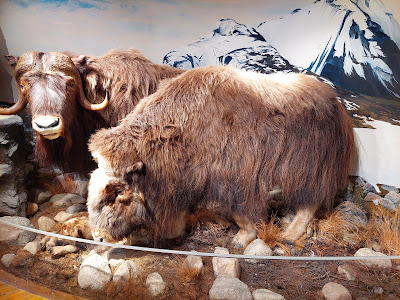
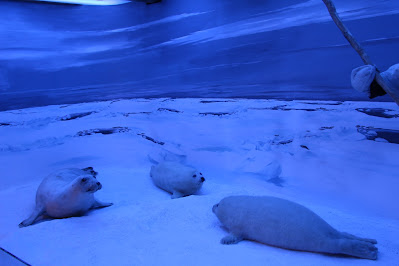
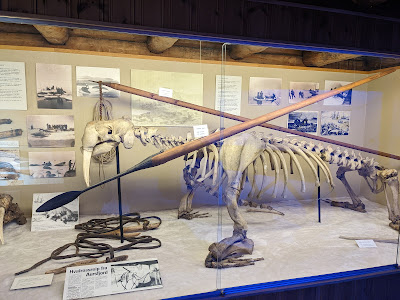
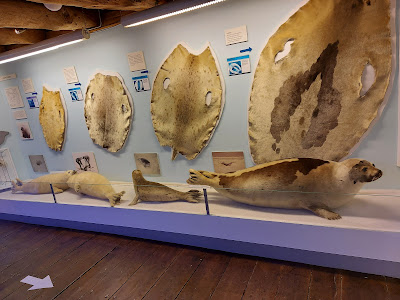
Exhibitions within the museum chronicle centuries of Arctic adventure. On the ground floor, displays focus on hunting and trapper life in the Arctic—featuring tools, artifacts, and even an original trapper’s hut from Svalbard. Visitors can delve into the history of seal, polar bear, and walrus harvesting, gaining a clear view into survival practices in extreme northern climates.
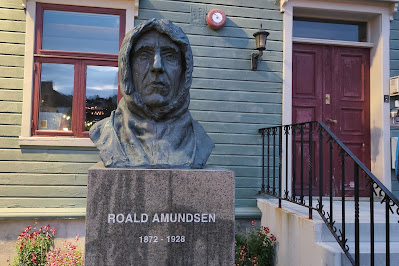
Upstairs, the museum celebrates legendary explorers. Exhibits share stories of Fridtjof Nansen’s pioneering Fram expedition and Roald Amundsen’s groundbreaking voyages. Maps, expedition gear, photographs, and diaries offer a vivid portrayal of these explorers’ courage and accomplishments. The narrative also features Henry Rudi, honored for his achievements as a polar hunter and celebrated here with his own dedicated exhibition.
The museum also hosts temporary exhibitions in its former boathouse, spotlighting contemporary research themes such as polar ecology or cultural reflections. The space feels dynamic, blending historic artifacts with fresh scholarly perspectives.
Facilities include a tasteful gift shop offering Arctic books, locally crafted souvenirs, and Sami jewellery. While there is no café, a cosy self‑service coffee point is available, and visitors can relax on hammocks or explore outdoor games when visiting alongside related museum sites.
Interesting Facts
- Historic building: The museum occupies former customs houses built in the 1830s–1840s, recognized as protected cultural heritage.
- Opening date: It opened on 18 June 1978, marking fifty years since Amundsen’s Latham flight from Tromsø to search for Umberto Nobile’s lost airship.
- Original Svalbard hut: A real trapper’s hut from Krosspynten in Svalbard is part of the “Overwintering” exhibition.
- Polar explorers honoured: Permanent displays commemorate Roald Amundsen and Fridtjof Nansen, featuring expedition equipment, narratives, and visuals.
- Henry Rudi exhibit: The “Polar Bear King” is featured in a dedicated exhibition; he received the King’s Medal of Merit and ended his life in Tromsø.
- Tailored tours: In summer, guided tours run every Saturday and Sunday at 1 p.m. and are included in the admission price.
Photo Gallery
Physical Location
Contact Details
Phone: +477 762 3360
Website: en.uit.no/tmu
Facebook: facebook.com/pages/Polar%20Museum,%20Tromso/284375484959207/#
Conclusion
The Polar Museum in Tromsø is a fascinating destination that combines powerful storytelling with authentic historic artifacts. Wandering through the old customs buildings, guests gain insight into Arctic survival, Inuit hunting traditions, legendary explorers, and the rugged science of living at extreme latitudes. The museum warmly welcomes families, researchers, and Arctic enthusiasts alike. Whether you are drawn to tales of polar hunters, daring expeditions, or simply the architectural charm of the premises, the museum delivers a memorable, educational experience. A visit is enriching and leaves one with a deep appreciation for the human spirit’s resilience in the face of Arctic challenges.
For anyone visiting Tromsø, a trip to The Polar Museum is more than worthwhile – it is an essential part of understanding Northern Norway’s cultural and exploratory heritage.