Pinacoteca do Estado de São Paulo

Introduction
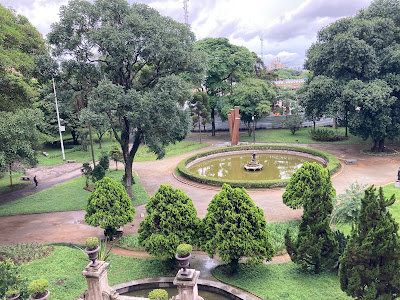
The Pinacoteca do Estado de São Paulo, located in the vibrant city of São Paulo, Brazil, invites art lovers, culture enthusiasts, and curious visitors to embark on a rich journey through Brazilian artistic heritage. Set within the elegant surroundings of the historic Jardim da Luz, this museum offers a blend of architectural beauty, a vast and varied collection of artworks, and dynamic cultural programming. Whether you are passionate about nineteenth‑century painting, modernist innovation, or contemporary creative expression, the Pinacoteca promises an inspiring experience that reflects the breadth of Brazil’s visual arts.
About the Museum
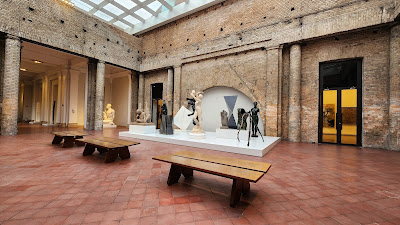
The Pinacoteca do Estado de São Paulo is one of Brazil’s most important and longest‑standing art museums. Founded in the early twentieth century, it is housed in a stately building originally constructed for the Liceu de Artes e Ofícios. Designed by Ramos de Azevedo and Domiziano Rossi, the architecture reveals a monumental neorenaissance style, with interior courtyards, exposed brick facades, and elements that foster a meaningful dialogue with the adjacent park. Although the original design included a dome that was never built, the structure today retains its commanding presence and historical integrity.
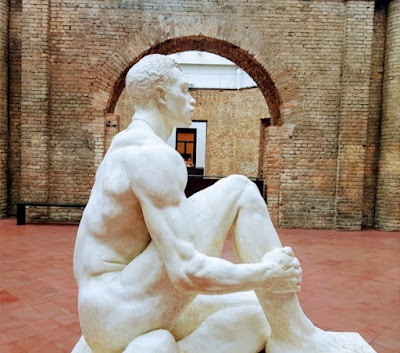
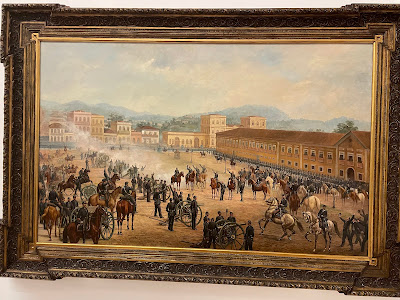
The museum’s collection is expansive, with well over ten thousand artworks encompassing paintings, sculptures, drawings, engravings, photographs, tapestries, decorative art, and colonial religious imagery. It offers a comprehensive panorama of Brazilian art, especially from the nineteenth and twentieth centuries. Highlights include an unparalleled assemblage of works by Almeida Júnior; vivid landscapes, portraits, and interiors by Pedro Alexandrino and other academic artists; and paintings by Antônio Parreiras, Benedito Calixto, Eliseu Visconti, Oscar Pereira da Silva, and others.
In addition to this strong nineteenth‑century foundation, the Pinacoteca features notable works by key modernist and contemporary Brazilian artists, including Tarsila do Amaral, Lasar Segall, Anita Malfatti, Cândido Portinari, Di Cavalcanti, Clóvis Graciano, and more recent figures such as Nuno Ramos and Paulo Monteiro. The museum also maintains remarkable international works, such as a set of bronzes by Auguste Rodin and pieces by Aristide Maillol, Medardo Rosso, Antoine Bourdelle, and Niki de Saint Phalle.
An important component of the Pinacoteca’s identity comes from its special collections provided under loan: the Nemirovsky Collection, showcasing modernist Brazilian masterpieces, and the Brasiliana Collection, featuring artistic, scientific, and ethnographic works created by foreign artists inspired by Brazil. The Roger Wright Collection is another prominent addition, on loan since 2015. The museum hosts nearly eighteen temporary exhibitions each year, offering fresh perspectives and new experiences with Brazilian and international art.
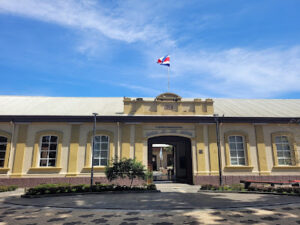
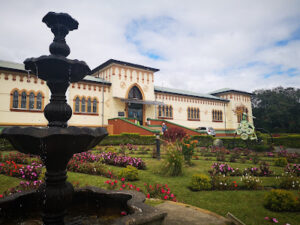
Beyond its holdings, the museum structure itself extends to multiple buildings: the main Pinacoteca Luz, the modern Pinacoteca Estação—a restored former DOPS building housing exhibitions, a memory center, and library—and the recently inaugurated Pinacoteca Contemporânea, opened in 2023 near Parque da Luz, which offers contemporary galleries, public spaces, studios, a visual arts library, an auditorium, and more.
Finally, the museum offers a lively array of activities for diverse audiences: guided tours, family‑friendly workshops, performance events, educational programs for different age groups, and special offerings such as “PinaFamília,” “PinaPequenos,” and creative workshops throughout its various buildings.
Interesting Facts
- The Pinacoteca is one of the oldest art museums in Brazil and the most historic in the state of São Paulo, tracing its origins to the Liceu de Artes e Ofícios founded in 1905.
- The main museum building, designed in neorenaissance style by Ramos de Azevedo and Domiziano Rossi, was partially inaugurated in 1900. The originally planned dome was never built, and exposed bricks remain visible as a reminder of its historic construction.
- An award‑winning renovation of the main building occurred between 1993 and 1998, led by architect Paulo Mendes da Rocha and his team, earning the prestigious Mies van der Rohe Prize for Latin America.
- The Pinacoteca Estação occupies a rehabilitated building that once housed DOPS, now accommodating exhibitions, the memory center, and a specialized art library.
- The Pinacoteca Contemporânea, inaugurated in 2023, features expansive public areas, educational studios, large‑format galleries, a visual arts library, an auditorium, and a terrace overlooking Parque da Luz.
- The museum’s permanent collection includes over ten thousand works, encompassing both historic and contemporary mediums, thus offering a broad and inclusive view of Brazilian art.
- The Nemirovsky Collection, on loan to the museum, is considered one of the most significant collections of modern Brazilian art, featuring works by Tarsila do Amaral, Anita Malfatti, Lasar Segall, and others.
- The museum also safeguards the Brasiliana Collection, containing approximately three hundred pieces by foreign artists inspired by Brazil.
- The museum stages approximately eighteen temporary exhibitions annually, ensuring lively and diverse programming.
- It maintains a strong commitment to accessibility and inclusive educational programming for people with disabilities, older adults, and underserved communities.
Photo Gallery
Physical Location
Contact Details
Phone: +55 113 324 1000
Website: pinacoteca.org.br/
Facebook: facebook.com/PinacotecaSP/
Conclusion
The Pinacoteca do Estado de São Paulo stands as an inspiring destination for anyone who values art, history, and architectural beauty. From its distinguished nineteenth‑century collections to its engaging modernist works and contemporary installations; from its historic, award‑winning building to the innovative spaces of Estação and Contemporânea—it offers a multi‑faceted experience that celebrates Brazil’s artistic legacy. Visitors can immerse themselves in classic paintings, explore bold exhibitions, enjoy family activities, and discover programs designed to welcome a broad public.
Whether you are embarking on your first visit or returning to explore something new, the museum offers a welcoming, enriching, and dynamic cultural journey. Its dedication to preservation, innovation, inclusion, and the celebration of Brazilian art ensures that every visitor leaves inspired, informed, and delighted.